


What should I do if I can't pass stool and it's blocked at the anus?
Dec 23, 2024
Source: Cainiu Health

Dr. Shen Yonghua
Introduction
Constipation is caused by factors such as poor dietary habits, lack of physical activity, and insufficient fluid intake, leading to prolonged retention of stool in the intestines. Excessive water absorption results in dry, hard stools that are difficult to expel, often accompanied by bloating. Probiotics such as Bifidobacterium live powder, Xingpi Yang'er Granules, and Simotang Oral Liquid may be used under a physician's guidance to aid digestion.
Generally, this may be caused by insufficient intake of dietary fiber, lack of physical activity, constipation, anal fissures, irritable bowel syndrome, and other related factors. General treatments and medication can help improve the condition. It is important to seek medical attention promptly and follow medical advice for treatment. Details are as follows:
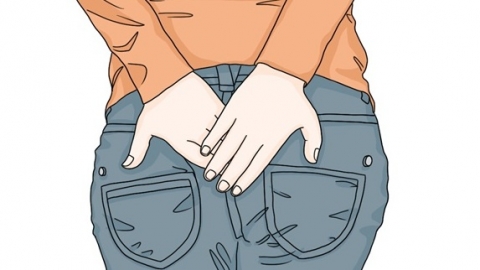
1. Insufficient dietary fiber intake: Dietary fiber has water-absorbing properties, which can increase stool volume and promote intestinal motility. If the diet lacks fiber-rich foods such as vegetables, fruits, and whole grains, stools can become dry and hard, making them difficult to pass, resulting in difficulty defecating. It is recommended to increase dietary fiber intake by consuming more foods such as Chinese cabbage, bananas, and oats. At the same time, ensure sufficient water intake to prevent overly dry stools.
2. Lack of physical activity: Prolonged sitting and lack of body movement can slow intestinal motility, affecting bowel function and possibly causing indigestion. It is important to increase physical activity, such as walking, running, or swimming, to stimulate intestinal motility. Abdominal massage in a clockwise direction can also be tried to stimulate intestinal movement and aid defecation.
3. Constipation: Constipation may be caused by poor dietary habits, lack of physical activity, and insufficient water intake, leading to prolonged retention of stool in the intestines. Excessive water absorption makes the stool dry and hard, difficult to pass, and may be accompanied by bloating. Medications such as Bifidobacterium powder, Xingpi Yang'er Granules, and Simotang Oral Liquid may be used under medical guidance to aid digestion.
4. Anal fissure: An anal fissure is a longitudinal tear or ischemic ulcer in the anal canal skin. Due to pain during defecation, individuals may intentionally reduce the frequency of bowel movements, causing stool to remain in the intestine for a long time, leading to excessive water absorption, dryness, and harder stools, worsening defecation difficulties and causing severe pain during bowel movements. Antibacterial and pain-relieving medications such as Amoxicillin Capsules, Cefixime Dispersible Tablets, and Ibuprofen Sustained-Release Capsules may be used under medical guidance.
5. Irritable Bowel Syndrome (IBS): IBS is a functional gastrointestinal disorder characterized by abdominal pain or discomfort accompanied by changes in bowel habits. Abnormal intestinal motility may lead to difficulties in defecation or diarrhea. Medications such as Raceanisodamine Tablets, Loperamide Hydrochloride Capsules, and Lactulose Oral Solution may be used under medical guidance to relieve spasms, control diarrhea, and promote bowel movements.
It is also important to maintain a light diet and avoid spicy, greasy foods.


