


What should I do if I have constipation, can't pass stool, and feel uncomfortably bloated?
Dec 24, 2024
Source: Cainiu Health

Dr. Shen Yonghua
Introduction
In general, constipation with difficulty in defecation and a feeling of bloating may be caused by factors such as an improper diet, lack of physical activity, irritable bowel syndrome, intestinal flora imbalance, or diabetes. Depending on the situation, general treatments or oral medications may be used to manage or relieve the symptoms. It is recommended to seek timely medical attention, identify the underlying cause, and undergo appropriate symptomatic treatment under a doctor's guidance.
Generally, constipation with difficulty in defecation and a feeling of retention may be caused by factors such as an improper diet structure, lack of physical activity, irritable bowel syndrome, intestinal flora imbalance, diabetes, and others. Treatment or symptom relief can be achieved through general management or oral medications based on individual conditions. It is recommended to seek timely medical attention, identify the underlying cause, and undergo symptomatic treatment under a doctor's guidance. Detailed explanations are as follows:
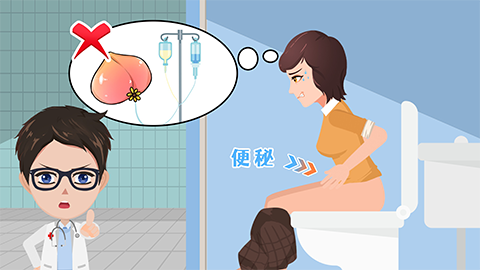
1. Improper Diet Structure: A lack of sufficient dietary fiber and water in daily meals can cause feces to remain in the intestines for too long, becoming dry and hard, making them difficult to pass smoothly. This may be accompanied by discomfort such as bloating. It is recommended to adjust the diet, increase intake of fiber-rich foods, and maintain adequate hydration.
2. Lack of Physical Activity: Prolonged sitting or insufficient exercise can slow intestinal motility, leading to constipation. Symptoms may include fatigue and low spirits. It is recommended to increase physical activity and engage in moderate aerobic exercises such as walking, jogging, or swimming.
3. Irritable Bowel Syndrome: This may be related to diet or anxiety, causing abnormal intestinal motility, which leads to constipation and abdominal discomfort. Common symptoms include abdominal pain, bloating, and increased flatulence. Patients can take medications such as Mebeverine Hydrochloride Tablets, Alverine Citrate Capsules, or Pinaverium Bromide Tablets under a doctor's guidance.
4. Intestinal Flora Imbalance: Disruption of intestinal flora may lead to a decrease in beneficial bacteria and an increase in harmful bacteria, affecting intestinal motility and stool excretion, possibly accompanied by bloating or diarrhea. Patients may take medications such as Lactobacillin Tablets, Saccharomyces Boulardii and Bacillus Subtilis Powder, or Bifidobacterium Capsules as directed by a physician.
5. Diabetes: Related to genetic factors and unhealthy lifestyle habits, long-term hyperglycemia may damage the autonomic nervous system, affecting intestinal motility and causing constipation, possibly accompanied by symptoms such as polydipsia (excessive thirst) and polyphagia (excessive hunger). Patients can take medications such as Acarbose Capsules, Glimepiride Tablets, or Gliquidone Tablets under medical supervision.
Maintaining a positive mindset and emotional well-being in daily life can also help alleviate symptoms of constipation.


