


How can purpura be completely cured?
Dec 25, 2024
Source: Cainiu Health

Dr. Liu Wenmin
Introduction
Purpura, also known as purpuric disease, generally does not involve the concept of "how to completely cure purpura." Purpura may be related to factors such as increased vascular pressure, increased fragility of blood vessel walls, vitamin C deficiency, thrombocytopenic purpura, and allergic purpura. Depending on the specific situation, general treatment, medication, or other methods may be used to treat or alleviate symptoms. It is recommended to seek timely medical attention.
Purpura, also known as purpuric disease, generally does not involve the question of "how to cure purpura." Purpura may be related to factors such as increased vascular pressure, increased fragility or permeability of blood vessel walls, vitamin C deficiency, thrombocytopenic purpura, and allergic purpura. Depending on the specific situation, general treatments or medication therapy may be used for treatment or symptom relief. It is recommended to seek timely medical attention, identify the underlying cause, and undergo treatment under a doctor's guidance. Detailed analysis is as follows:
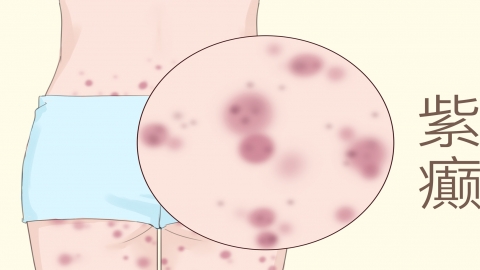
1. Increased Vascular Pressure
Crying, shouting loudly, or straining excessively during bowel movements in patients with constipation can increase internal vascular pressure, potentially causing blood vessels to rupture and red blood cells to leak into surrounding tissues, resulting in purpura. No specific treatment is required; avoid behaviors that increase vascular pressure such as crying, shouting, or excessive straining.
2. Increased Fragility of Blood Vessel Walls
In elderly individuals, blood vessel walls are typically more fragile, and minor collisions can cause vascular rupture, with red blood cells leaking into the skin to form purpura. It is recommended to avoid bumps and injuries, maintain skin cleanliness, and prevent infections.
3. Vitamin C Deficiency
A deficiency in vitamin C can cause blood vessel walls to become fragile, making them prone to rupture and bleeding, thus causing purpura, which may be accompanied by symptoms such as fatigue and joint pain. Patients may take vitamin C tablets, vitamin C chewable tablets, or vitamin C lozenges as directed by a physician.
4. Thrombocytopenic Purpura
A reduction in the number or abnormal function of platelets in the blood can lead to coagulation dysfunction, making the skin and mucous membranes prone to petechiae or ecchymosis. Symptoms may include nosebleeds or hematuria. Patients may take medications such as methylprednisolone tablets, dexamethasone acetate tablets, or prednisone acetate tablets according to medical advice.
5. Allergic Purpura
Triggered by allergens causing hypersensitivity reactions in the body, allergic purpura results from increased fragility and permeability of capillaries, leading to red blood cell leakage and the formation of purpura. It may be accompanied by joint swelling and pain. Patients may take medications such as olopatadine hydrochloride tablets, desloratadine citrate capsules, or epinastine hydrochloride capsules under a doctor's guidance.
Additionally, maintaining good lifestyle habits and a positive mental state can also aid in the recovery from purpura.


