


What should be done for a child with simple allergic purpura?
Dec 25, 2024
Source: Cainiu Health

Dr. Liu Wenmin
Introduction
Henoch-Schönlein purpura (HSP) in children may be caused by various factors including genetic predisposition, food allergies, cold air or pollen allergies, improper medication use, and microbial infections. It can usually be treated by avoiding contact with allergens, along with general treatment and drug therapy. In daily life, parents should pay attention to the child's diet and lifestyle habits, and avoid exposure to allergens.
Henoch-Schönlein purpura (HSP) in children may be caused by genetic factors, food allergies, cold air or pollen allergies, improper medication use, or microbial infections. It can usually be treated by avoiding allergens, general treatment, and medication. If any abnormalities occur, prompt medical attention is recommended. A detailed explanation is as follows:
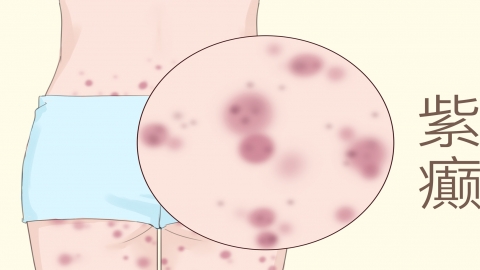
1. Genetic factors: Henoch-Schönlein purpura is a type of vascular hypersensitivity disease and has a certain hereditary tendency. If parents or family members have this condition, the genes may be passed on to the next generation, leading to HSP in children. Exposure to allergens should be minimized to reduce the frequency of disease episodes. Rest, maintenance of electrolyte balance, and antihistamine medications such as cetirizine hydrochloride tablets, loratadine tablets, and chlorpheniramine maleate tablets should be used as directed by a physician.
2. Food allergy: If children are allergic to animal proteins, consumption of foods such as fish, shrimp, and crab may trigger allergic reactions and cause HSP. Symptoms may include skin itching, swelling, abdominal pain, and diarrhea. Allergenic foods should be avoided, and medications such as promethazine hydrochloride tablets, ketotifen fumarate capsules, and calamine lotion may be used under a doctor's guidance.
3. Cold air or pollen allergy: Stimulation from allergens such as cold air or pollen may also lead to HSP in children, accompanied by respiratory symptoms such as sneezing, runny nose, and cough, as well as skin symptoms like itching and swelling. Exposure to allergens should be avoided, for example by maintaining warm and humid indoor air and avoiding areas with high pollen concentrations.
4. Improper medication use: Blind use of medications such as amoxicillin granules or cefixime granules may increase the body's burden and stimulate the immune system, causing hypersensitivity reactions and skin petechiae. This is usually accompanied by drug rash and itching. The medication should be discontinued immediately. Parents should follow medical advice when administering medications to children and avoid self-medication.
5. Microbial infection: The occurrence of this disease is also associated with microbial infections, such as Staphylococcus aureus, Mycobacterium tuberculosis, and Epstein-Barr virus. Metabolic products of these microorganisms may cause immune system dysfunction, triggering hypersensitivity reactions that lead to symptoms such as skin petechiae and joint swelling and pain. Treatment under a doctor's guidance with medications such as cefazolin sodium for injection, acyclovir tablets, and fluconazole tablets is recommended to control the infection.
In daily life, parents should pay attention to their child's diet and lifestyle habits, avoid exposure to allergens, and maintain clean and hygienic skin. Additionally, improving the child's physical condition and immunity can help reduce the occurrence of diseases.



