How to achieve beauty and remove spots
Dec 25, 2024
Source: Cainiu Health

Dr. Han Xuefeng
Introduction
The formation of pigmentation spots may be caused by genetic factors, sun exposure, endocrine disorders, vitamin deficiencies, seborrheic keratosis, and other factors. Cosmetic treatments for pigmentation spots typically include the use of spot-removing products, traditional Chinese medicine regulation, fruit acid peels, laser treatments, and should be combined with adjustments to lifestyle habits. If any abnormalities occur, prompt medical attention is recommended. Additionally, proper skin care should be emphasized during the process of cosmetic pigmentation removal.
The formation of pigmented spots may be caused by hereditary factors, sun exposure, endocrine disorders, vitamin deficiency, seborrheic keratosis, and other factors. Common cosmetic treatments for pigmented spots typically include the use of spot-removing products, traditional Chinese medicine regulation, fruit acid peels, laser treatments, and should be combined with adjustments to lifestyle habits. If any abnormalities occur, prompt medical consultation is recommended. Detailed analysis is as follows:
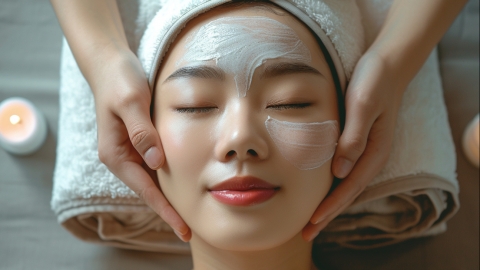
1. Heredity: Pigmented spots caused by hereditary factors, such as congenital birthmarks, generally do not affect physical health. If the spots affect appearance, improvement can be achieved by laser treatment under a doctor's guidance.
2. Sun exposure: Prolonged exposure to ultraviolet radiation can cause the skin to produce melanin to protect the skin tissue, resulting in localized pigmented spots. Direct UV exposure should be avoided—for example, by using sun umbrellas or wearing sun hats when outdoors. Additionally, spot-removing products, such as creams containing retinoic acid, can be used to assist in skin whitening. If pigmented spots are severe, laser removal can be considered as necessary.
3. Endocrine disorder: Excessive late-night activity and insufficient sleep can lead to hormonal imbalances, deteriorating skin condition, and the easy formation of chloasma and freckles. This may be accompanied by emotional fluctuations and menstrual irregularities. Sufficient sleep should be maintained, and medications to regulate endocrine function, such as propylthiouracil tablets, methimazole tablets, propranolol hydrochloride tablets, etc., can be taken under medical guidance. Laser treatments can also be selected to improve pigmented spots.
4. Vitamin deficiency: Failure to maintain a balanced diet in daily life may lead to pigmentation due to vitamin C deficiency. This may be accompanied by symptoms such as dry skin and reduced immunity. A balanced diet with adequate intake of vitamin-rich foods, such as kiwifruit, tomatoes, and apples, is recommended to supply necessary nutrients, which can aid in reducing pigmented spots. In addition, methods such as traditional Chinese medicine regulation and fruit acid peels can also be used for cosmetic treatment of pigmented spots.
5. Seborrheic keratosis: Seborrheic keratosis is a benign proliferative disease, possibly related to cell metabolism, and tends to increase gradually with age. Accompanying symptoms are usually not obvious. Treatments such as cryotherapy and laser surgery can be used, which work by thermal photocoagulation to break down pigment particles in the deeper layers of the skin, stimulating collagen regeneration, which is beneficial for removing pigmented spots.
During the process of cosmetic pigmented spot treatment, attention should also be paid to enhancing skincare. In daily life, sun protection measures should be taken to avoid UV exposure that could deepen pigmentation.