How to get rid of pimples on the face
Dec 25, 2024
Source: Cainiu Health

Dr. Liu Wenmin
Introduction
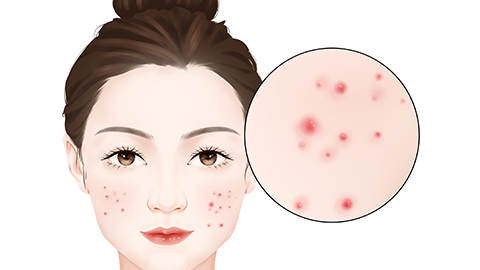
Acne vulgaris usually refers to acne. In general, acne on the face may be caused by hormonal fluctuations, stress, skin friction, dietary factors, folliculitis, and other reasons. It is recommended to seek medical attention promptly, identify the cause, and then proceed with general treatment and medication under the guidance of a qualified physician. When treating facial acne, an appropriate treatment method should be selected based on individual circumstances.
Acne vulgaris usually refers to acne. Generally, acne on the face may be caused by hormonal fluctuations, stress, skin friction, dietary factors, folliculitis, and other reasons. It is recommended to seek timely medical advice to determine the cause and then proceed with recovery under the guidance of a professional physician through general treatments and medication. A detailed analysis is as follows:
1. Hormonal fluctuations
After entering puberty, rising levels of androgens in the body may cause the sebaceous glands to produce excessive oil, blocking pores and triggering acne. Symptoms may also include mood swings and accelerated growth. It is recommended to maintain good lifestyle habits, such as regular sleep patterns and healthy eating. Using gentle facial cleansers can help control oil secretion and unclog pores.
2. Stress
Long-term mental stress can affect the body's endocrine system, increasing cortisol levels, which stimulates the sebaceous glands to produce more oil, thereby increasing the risk of acne. Symptoms may include anxiety and insomnia. It is recommended to adopt effective stress management strategies, such as engaging in moderate exercise, practicing meditation or deep breathing techniques, and maintaining a positive mindset. If necessary, consultation with a professional psychological counselor or psychiatrist may be beneficial.
3. Skin friction
Long-term wearing of tight clothing or hair constantly touching the face can lead to pore blockage due to skin friction, resulting in acne. This typically manifests as pimples on the cheeks and chin. It is recommended to avoid wearing tight clothing, keep hair clean, avoid prolonged contact with the face, thoroughly cleanse the skin, and prevent residual cosmetics.
4. Dietary factors
Consumption of high-sugar and high-fat foods can stimulate the secretion of insulin-like growth factors, thereby affecting the function of sebaceous glands and leading to increased oil production and worsening acne. Symptoms may also include weight gain and oily skin. It is recommended to adjust dietary habits, reduce the intake of high-sugar and high-fat foods, and consume more fresh vegetables and fruits. If necessary, consulting a nutritionist to develop a suitable dietary plan is advisable.
5. Folliculitis
Poor personal hygiene habits may lead to Staphylococcus aureus infection on the facial skin, which can cause folliculitis. Under inflammatory stimulation, the stratum corneum on the face may thicken, resulting in acne. Symptoms may also include redness, swelling, and pain. It is recommended to use medications such as erythromycin ointment, mupirocin ointment, or fusidic acid cream under the guidance of a physician.
When treating facial acne, appropriate treatment methods should be selected based on individual circumstances. At the same time, maintaining good lifestyle habits and a positive mindset is essential.