


Is a child's fever and shivering a sign of convulsion?
Dec 26, 2024
Source: Cainiu Health

Dr. Zhou Xiaofeng
Introduction
In general, fever refers to an elevated body temperature. Whether a child's fever accompanied by shivering indicates a seizure needs to be determined based on specific circumstances. If the child remains conscious during the fever, it is usually not a seizure. However, if the child experiences whole-body shaking along with loss of consciousness during the fever, it may indicate a seizure. Parents should closely monitor the child's symptoms and work with a doctor to ensure the child receives proper diagnosis and care.
Generally speaking, fever refers to an elevated body temperature. Whether a child's fever accompanied by shivering indicates a seizure needs to be determined based on specific circumstances. If the child remains conscious during the fever, it usually is not a seizure; however, if the child experiences whole-body tremors along with loss of consciousness during the fever, it might indicate a seizure. If any discomfort occurs, timely medical consultation is recommended. Detailed explanations are as follows:
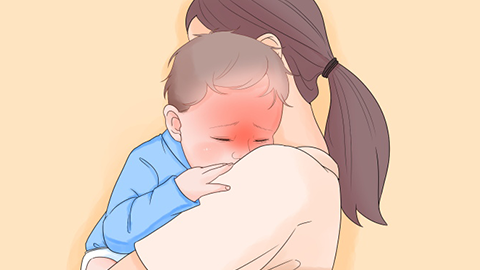
A child may experience shivering during a fever due to various reasons such as chills, dehydration, medication side effects, or viral infections. If the child is conscious during the early stage of fever, it typically does not indicate a seizure. During the process of body temperature regulation, abnormalities may occur as the body attempts to adjust its temperature, leading to an increase in body temperature. At this time, the child might experience shivering, which does not fall under the category of seizures.
However, if a child experiences generalized tremors during fever, accompanied by symptoms such as loss of consciousness, staring eyes, squinting, or stiff limbs, it could be a seizure. During a seizure, children typically suddenly lose consciousness and may exhibit tonic or clonic muscle contractions, possibly accompanied by fixed gaze, cyanosis of the lips, or frothing at the mouth.
Parents should closely monitor their child's symptoms and cooperate with doctors to ensure proper diagnosis and treatment for the child.





