


What does a pediatric neurology examination involve?
Dec 26, 2024
Source: Cainiu Health

Dr. Zhou Xiaofeng
Introduction
Under normal circumstances, the main examination items in pediatric neurology include electroencephalogram (EEG), cranial magnetic resonance imaging (MRI), neuro-muscular electrophysiological tests, neurodevelopmental assessments, and cerebrospinal fluid analysis. If any discomfort occurs, timely medical consultation is recommended. All of the above examinations must be conducted in a正规 hospital and guided by qualified physicians to avoid improper procedures that may cause discomfort.
Generally, the main examinations in pediatric neurology include electroencephalogram (EEG), cranial magnetic resonance imaging (MRI), neuro-muscular electrophysiological tests, neurodevelopmental assessments, and cerebrospinal fluid (CSF) analysis. If any discomfort occurs, timely medical consultation is recommended. Detailed explanations are as follows:
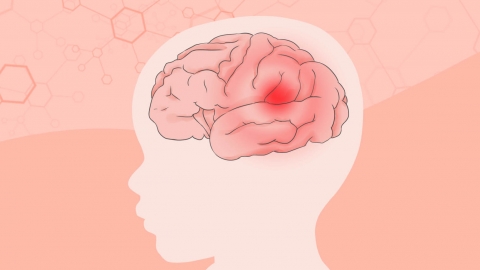
1. Electroencephalogram (EEG)
An EEG observes changes in neuronal activity in the brain through brainwave patterns, helping analyze whether brain function is normal. It can be used to rule out diseases such as encephalitis, epilepsy, and sleep disorders. These conditions may affect brainwaves and cause abnormal neuronal activity, especially when severe.
2. Cranial Magnetic Resonance Imaging (MRI)
Cranial MRI mainly uses imaging technology to observe structural changes in the brain, including brain tissue, cerebral blood vessels, and white matter. It can help exclude conditions such as brain tumors and cerebrovascular diseases.
3. Neuro-Muscular Electrophysiological Tests
Neuro-muscular electrophysiological tests mainly include electromyography (EMG) and nerve conduction velocity testing. These tests assess whether the functions of nerves and muscles are normal and identify any nerve or muscle damage. They can help rule out peripheral nerve diseases and myasthenia.
4. Neurodevelopmental Assessment
Neurodevelopmental assessment evaluates a child's neurological development to identify potential developmental delays or neurological dysfunction, helping exclude conditions such as cerebral palsy and intellectual developmental delays.
5. Cerebrospinal Fluid (CSF) Analysis
CSF analysis involves collecting cerebrospinal fluid through lumbar puncture and sending it to the laboratory for sample analysis. This helps promptly determine whether the meninges or central nervous system have been damaged and can be used to exclude brain inflammation, infections, and immune-mediated diseases.
All the above examinations must be performed in a qualified hospital under the guidance of professional physicians to avoid discomfort caused by improper procedures. Additionally, if there are any contraindications or other discomforts before the examination, these must be promptly communicated to the physician.



