


What are the management methods for low-grade fever in children?
Jan 24, 2025
Source: Cainiu Health

Dr. Zhou Xiaofeng
Introduction
Pediatric low-grade fever may be related to factors such as the environment, water intake, indigestion, influenza, and pneumonia. The environment should be adjusted, hydration maintained, and diet modified according to the underlying cause. If the condition is severe, medications such as anti-inflammatory drugs and antipyretics should be used promptly as directed by a physician. If the treatment outcome is unsatisfactory, timely medical consultation is recommended.
Generally, low-grade fever in children may be related to environmental factors, insufficient water intake, indigestion, influenza, pneumonia, and other factors. Timely treatment or medication should be administered according to the underlying cause. However, if the fever persists, medical attention is required. Detailed analysis is as follows:
1. Environmental factors
If the environmental temperature where the child lives is excessively high, beyond the body's tolerance range, it may cause a low-grade fever. This can be alleviated by appropriately reducing clothing and adjusting the indoor temperature to 22–24°C.
2. Insufficient water intake
Children have a relatively rapid metabolism. Failure to replenish fluids lost in a timely manner may lead to low-grade fever. This can be relieved by increasing water intake or consuming foods with high water content, such as pears and watermelon.
3. Indigestion
Indigestion is commonly associated with improper diet, such as overeating or consuming excessively greasy foods. If food remains undigested for a prolonged period, it may generate internal heat, leading to elevated body temperature. The diet should be adjusted promptly to avoid foods that are difficult to digest. Medications such as Bifidobacterium Trilactis Powder, Jian'er Xiaoshi Oral Liquid, and Xingpi Yanger Granules may be used for treatment under medical guidance.
4. Influenza
Influenza may be caused by viral infections such as influenza A or B viruses. Repeated viral stimulation of the body can trigger inflammatory responses, leading to elevated body temperature. Symptoms such as sneezing and sore throat may also occur. The child should rest more and take medications such as Oseltamivir Phosphate Granules, Xia'er Anfenhuangnamin Granules, and Antiviral Granules as directed by a physician.
5. Pneumonia
Pneumonia is a disease caused by bacterial or viral invasion of the lungs. When an inflammatory response occurs, it may cause systemic fever, accompanied by symptoms such as rapid breathing and chest tightness. Wiping the body with warm water may help, followed by treatment with medications such as Amoxicillin Granules, Cefuroxime Axetil Granules, and Roxithromycin Granules as advised by a doctor.
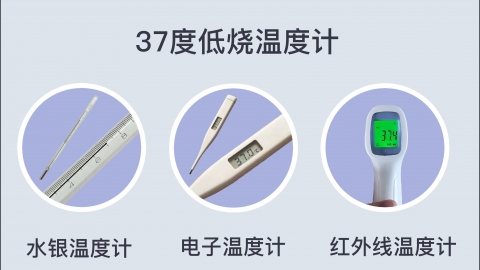
In addition, low-grade fever in children may also be associated with conditions such as Kawasaki disease, systemic lupus erythematosus, and leukemia. Prompt treatment based on the underlying cause is necessary. During treatment, body temperature should be monitored regularly to allow timely adjustment of the treatment plan.


