


What does it mean if a child has a fever but doesn't cough or have a runny nose?
Dec 26, 2024
Source: Cainiu Health

Dr. Zhou Xiaofeng
Introduction
In general, fever refers to an elevated body temperature. A child may develop a fever without coughing or having a runny nose due to various reasons such as high environmental temperature, excessive physical activity, infantile急疹 (sudden rash in infants), urinary tract infection, gastroenteritis, and others. It is recommended to seek timely medical attention and follow the doctor's guidance for treatment. In daily life, regularly ventilate indoor spaces by opening windows to maintain fresh air. Additionally, maintain good personal hygiene by washing hands frequently to prevent illnesses from entering through the mouth.
Generally speaking, fever refers to an elevated body temperature. If a child has a fever without coughing or a runny nose, it may be caused by high environmental temperatures, excessive physical activity, infantile emergency rash, urinary tract infection, gastroenteritis, or other reasons. It is recommended to seek timely medical attention and follow the guidance of a physician for treatment. Detailed explanations are as follows:
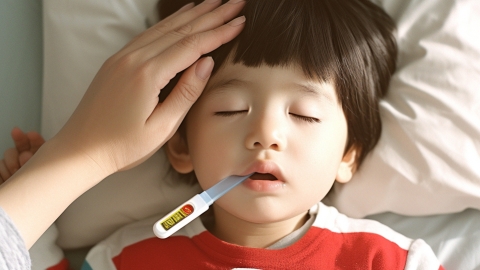
1. High Environmental Temperature
A child's thermoregulatory center is not yet fully developed. When the environmental temperature is excessively high, heat produced within the body cannot be effectively dissipated through the skin to maintain thermal balance, leading to an elevated body temperature (fever). Since the respiratory system is not involved, symptoms such as coughing and runny nose do not occur. Maintain a suitable indoor temperature, avoid overwrapping or dressing the child in too many layers, regularly open windows for ventilation, and ensure adequate air circulation.
2. Excessive Physical Activity
After intense physical activity, a child's metabolic rate increases, generating a large amount of heat. If the body cannot dissipate heat efficiently, body temperature may rise. Fever caused by this situation also does not involve respiratory symptoms. Reasonably schedule the child's exercise time and intensity, ensure timely hydration after exercise, and allow for appropriate rest to help the body cool down.
3. Infantile Emergency Rash
Infantile emergency rash is caused by infection with human herpesvirus 6. This condition typically presents as a sudden high fever, with no significant respiratory symptoms. A rash appears after the fever subsides. It may be accompanied by poor appetite and irritability. Medications such as paracetamol oral solution, ibuprofen suspension drops, and amoxicillin capsules may be used under a doctor's guidance for treatment.
4. Urinary Tract Infection
Urinary tract infections may be caused by bacterial invasion of the urinary tract, commonly due to Escherichia coli infection. These infections can cause fever, but since the affected area is the urinary tract, respiratory symptoms are absent. Symptoms such as frequent urination, urgency, and painful urination may also occur. Treatment should follow medical advice and may include medications such as cefixime granules, amoxicillin-clavulanate potassium dry suspension, and itraconazole capsules.
5. Gastroenteritis
Gastroenteritis may be caused by viral, bacterial, or parasitic infections. It can cause fever, but primarily affects the digestive system, so respiratory symptoms are not prominent. Symptoms such as vomiting, diarrhea, and abdominal pain may also occur. Treatment may include medications like smectite powder for diarrhea relief, oral rehydration salts III, and Bifidobacterium quadruple viable tablets, used under a doctor's guidance.
In daily life, regularly ventilate indoor spaces to maintain fresh air. Pay attention to personal hygiene, wash hands frequently, and prevent illness caused by ingestion of pathogens.







