


What causes excessive phlegm in the throat?
Dec 27, 2024
Source: Cainiu Health

Dr. Lu Cheng
Introduction
Under normal circumstances, excessive phlegm in the throat may be caused by environmental irritants, dietary habits, bronchitis, chronic pharyngitis, gastroesophageal reflux, or other factors. It is recommended to maintain good daily habits, ensure proper indoor ventilation, improve the living environment, and keep the air fresh. At the same time, it is advisable to maintain a balanced diet, engage in regular physical exercise, enhance immunity, and safeguard overall health.
Generally, excessive phlegm in the throat may be caused by environmental irritation, dietary habits, bronchitis, chronic pharyngitis, gastroesophageal reflux, and other factors. If discomfort occurs, timely medical consultation is recommended for symptomatic treatment under the guidance of a qualified physician. Detailed explanations are as follows:
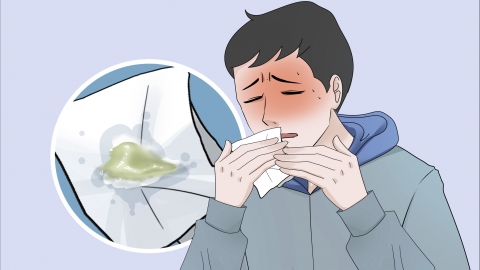
1. Environmental Irritation
Prolonged exposure to environments containing dust, smoke, dryness, or chemical gases can irritate the pharyngeal mucosa, stimulating increased secretion in the throat area and forming phlegm. Additionally, airborne dust and irritant gases may repeatedly irritate the respiratory tract, causing excessive phlegm. It is recommended to improve the living environment or wear a mask to alleviate these symptoms.
2. Dietary Habits
Excessive consumption of sweets and greasy foods can increase saliva production in the mouth, leading to excessive phlegm. Long-term dietary imbalance and insufficient intake of fruits and vegetables may also reduce the body's immunity and increase the risk of respiratory inflammation. It is recommended to adjust the diet structure, maintain a light diet, and reduce phlegm production.
3. Bronchitis
Bronchitis may be caused by infections such as bacteria, viruses, or mycoplasma. Inflammation stimulates the respiratory mucosa, causing it to secrete more mucus to resist pathogens, thereby producing a large amount of phlegm. It is often accompanied by symptoms such as coughing and difficulty breathing. Treatment may include medications like theophylline sustained-release tablets, ambroxol oral solution, and montelukast sodium tablets under a doctor's guidance.
4. Chronic Pharyngitis
Chronic pharyngitis may result from repeated episodes of acute pharyngitis, various nasal conditions, or chronic inflammation of the respiratory tract. Long-term inflammatory irritation of the pharyngeal mucosa may lead to increased secretions, resulting in excessive phlegm. Symptoms often include a foreign body sensation and mild pain in the throat. Medications such as Yinhuang Tablets, Pharyngitis Tablets, and Pudilan Xiaoyan Oral Liquid may be used under medical advice.
5. Gastroesophageal Reflux
Gastroesophageal reflux may be caused by various factors such as dysfunction of the lower esophageal sphincter, esophageal stricture, or esophageal spasm. Stomach acid may reflux into the esophagus and even reach the throat, irritating the pharyngeal mucosa, causing an inflammatory response, and resulting in phlegm production. Symptoms often include heartburn and acid regurgitation. Treatment may include medications such as omeprazole enteric-coated capsules, domperidone tablets, and ranitidine tablets as directed by a physician.
Maintaining good lifestyle habits is important, including ensuring indoor ventilation, improving the living environment, and keeping the air fresh. Additionally, it is recommended to maintain a balanced diet, engage in regular physical exercise, enhance immunity, and promote overall health.



