Are there any side effects of medical aesthetics for anti-aging?
Dec 27, 2024
Source: Cainiu Health

Dr. Han Xuefeng
Introduction
Under normal circumstances, medical aesthetic anti-aging is an important part of modern aesthetic medicine, aiming to delay the aging process and improve skin and overall physical condition through a series of technical interventions. There are usually certain side effects, which may include local tissue damage, vascular and nerve injury, allergic reactions, pigmentation, and infection. Postoperative care should strictly follow medical advice, with proper wound management.
Generally, medical aesthetics for anti-aging do have certain side effects, which may include local tissue damage, vascular and nerve injury, allergic reactions, pigmentation, and infections. A detailed analysis is as follows:
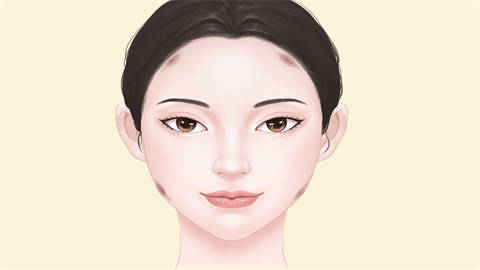
1. Local Tissue Damage
During medical aesthetic anti-aging procedures, such as laser or radiofrequency treatments, excessive energy or improper operation may cause local tissue damage. Technologies like laser skin tightening and radiofrequency skin tightening stimulate collagen regeneration to improve skin firmness, but must be performed by professional physicians who can control the energy output to avoid tissue injury.
2. Vascular and Nerve Injury
Injectable medical aesthetic procedures, such as hyaluronic acid fillers and botulinum toxin injections, may injure blood vessels and nerves if improperly administered. It is recommended to choose experienced physicians for precise injections to avoid damaging blood vessels and nerves. Additionally, close postoperative observation and prompt management of any abnormalities are necessary.
3. Allergic Reaction
Some medical aesthetic products, such as fillers and medications, contain allergens that may trigger allergic reactions in patients, leading to symptoms like difficulty breathing, skin itching, and rashes. Before the procedure, patients should inform their physicians about any known allergens to avoid using products that may cause allergic reactions.
4. Pigmentation
Certain medical aesthetic procedures, such as laser and photorejuvenation treatments, may activate melanocytes due to thermal effects, resulting in pigmentation. The skin may develop spots or darkening, and may also become sensitive or dry. Under a physician's guidance, depigmenting products such as vitamin C serums and hydroquinone cream can be used.
5. Infection
Improper wound care after medical aesthetic procedures may lead to infections caused by bacteria, viruses, or other pathogens. Infections may result in symptoms such as redness, pain, and pus formation at the site, and may be accompanied by systemic symptoms like fever and fatigue. Proper wound cleaning and disinfection are essential to prevent the spread of infection. Treatment usually follows medical advice and may include the use of topical antibiotics such as erythromycin ointment, fusidic acid cream, or oral cephradine capsules.
When choosing a medical aesthetic procedure, it is important to fully understand the underlying principles, reference costs, expected outcomes, and possible side effects, and to proceed only under the guidance of a qualified physician. Additionally, postoperative care should strictly follow medical instructions, proper wound care should be performed, and measures should be taken to prevent complications such as infections.