Which department should I visit for xanthelasma of the eyelid?
Nov 19, 2025
Source: Cainiu Health

Dr. Wang Lei
Introduction
In general, xanthelasma palpebrarum can be evaluated by ophthalmology, dermatology, medical aesthetics, endocrinology, or oral and maxillofacial surgery, depending on specific needs. Additionally, if patients are unsure about the appropriate department, they may consult the hospital's guidance desk. It is important to maintain a healthy diet, control blood lipid and glucose levels, undergo regular health checkups, and seek timely medical attention if abnormal tumor enlargement is detected.
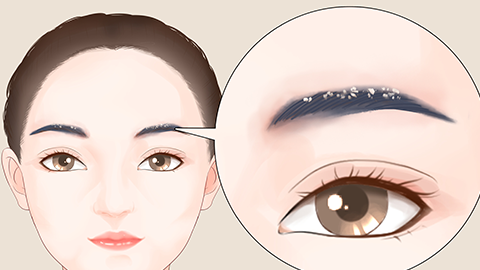
In general, xanthelasma palpebrarum (yellowish plaques on the eyelids) can be evaluated by ophthalmology, dermatology, medical aesthetics, endocrinology, or oral and maxillofacial surgery, depending on specific needs. Detailed explanations are as follows:
1. Ophthalmology
Ophthalmology is the primary department for initial evaluation of xanthelasma palpebrarum, especially when the lesion is close to the eyelid margin, affects eyelid function, or is accompanied by ocular discomfort. As the eyelid is part of the ocular adnexa, ophthalmologists can perform eye examinations to rule out associated ocular conditions and remove the lesion using laser therapy or surgery, minimizing risk to the eyeball.
2. Dermatology
If xanthelasma palpebrarum presents solely as a superficial skin lesion without affecting eye function, patients may visit dermatology. These lesions are essentially deposits of lipids in the skin. Dermatologists are experienced in diagnosing and treating skin disorders and may use cryotherapy, electrocautery, or topical medications, balancing both skin health and cosmetic outcomes.
3. Medical Aesthetics
For patients concerned about cosmetic appearance after lesion removal, medical aesthetics is an appropriate choice. This specialty emphasizes minimally invasive techniques and aesthetic results. Physicians may use precision lasers or minor cosmetic procedures to remove the lesion with minimal scarring, meeting facial aesthetic demands.
4. Endocrinology
Xanthelasma palpebrarum is often associated with metabolic abnormalities such as hyperlipidemia and diabetes, so endocrinology consultation is recommended to investigate underlying causes. Doctors will assess lipid and glucose levels to evaluate metabolic status and develop management plans to reduce the risk of lesion recurrence at its root.
5. Oral and Maxillofacial Surgery
If the lesion is large, involves deeper layers of the eyelid, or requires complex surgical excision, oral and maxillofacial surgery may be needed. Specialists in this field are skilled in head and facial tissue surgery and can precisely remove the lesion while preserving eyelid structure and function.
In addition, if patients are unsure which department to visit, they can consult the hospital’s guidance desk. It is advisable to maintain a healthy diet, control blood lipid and glucose levels, undergo regular physical check-ups, and seek timely medical attention if the lesion shows abnormal growth.