


Can patients with liver disease eat salty foods?
Dec 30, 2024
Source: Cainiu Health

Dr. Gao Jun
Introduction
In general, liver disease refers to all types of liver conditions, such as fatty liver disease, alcoholic liver disease, etc. Patients with liver disease are usually not advised to consume overly salty foods. There are many types of high-salt foods, such as ham sausages, sausages, cured meats, pickled vegetables, etc. These foods typically contain large amounts of iodine during processing, and iodine is rich in sodium ions. Consuming such foods may increase the burden on the liver and be detrimental to the control of the disease.
Generally, liver disease refers to all types of liver conditions, such as fatty liver disease and alcoholic liver disease. Patients with liver disease are usually advised against consuming overly salty foods. Detailed explanations are as follows:
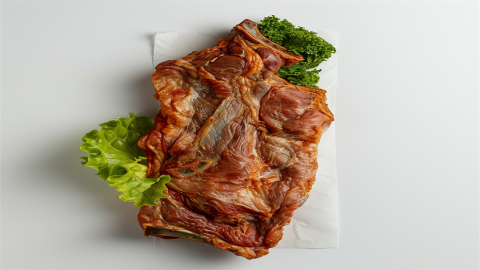
There are many types of excessively salty foods, such as ham sausages, sausages, preserved meats, and pickled vegetables. These foods contain large amounts of iodine during processing, which is rich in sodium ions. Consumption may increase the burden on the liver and be detrimental to disease management. Additionally, eating overly salty foods may also affect blood pressure levels, leading to water and sodium retention. This could even worsen symptoms of ascites, causing abdominal swelling, fatigue, and other related symptoms. Therefore, patients with liver disease are not advised to consume overly salty foods.
It should be noted that the diet of patients with liver disease should follow the principles of low salt and low fat to reduce the burden on the liver and alleviate uncomfortable symptoms. At the same time, patients with liver disease should also appropriately increase their physical activity to accelerate bodily excretion and promote recovery.


