Is eating fish good for people with poor liver function?
Dec 30, 2024
Source: Cainiu Health

Dr. Gao Jun
Introduction
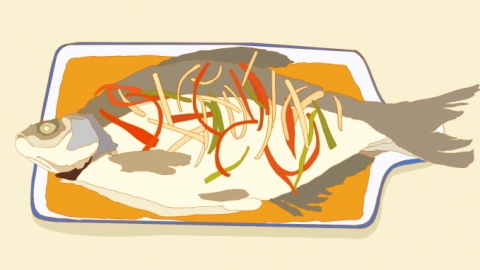
In general, it is beneficial for individuals with poor liver function to consume fish in moderation. When eating fish, it is recommended to use light cooking methods such as steaming or boiling, and avoid frying or sautéing. Greasy cooking methods increase the fat content of the food, which can加重 the burden on the liver after consumption and hinder the recovery of liver function.
Generally speaking, people with poor liver function can benefit from eating fish in moderation. The detailed explanation is as follows:
Fish is rich in high-quality protein, which serves as a fundamental building block for the repair and regeneration of body cells, including liver cells. Moderate intake of protein helps repair damaged liver tissue. At the same time, many types of fish contain abundant unsaturated fatty acids, such as omega-3 fatty acids. These components have anti-inflammatory properties, which can reduce inflammatory responses in the liver and help improve liver fat metabolism. They also play an important role in preventing liver diseases such as fatty liver. In addition, fish is relatively easy to digest and absorb, placing less burden on the liver and gastrointestinal system.
When consuming fish, it is best to choose light cooking methods such as steaming or boiling, and avoid frying or sautéing. Greasy cooking methods increase the fat content in food, which can加重 the burden on the liver and be detrimental to liver function recovery.