


Can I eat tuna if my liver is damaged?
Dec 30, 2024
Source: Cainiu Health

Dr. Shen Yonghua
Introduction
Under normal circumstances, when the liver is damaged, tuna can generally be consumed. It is rich in nutrients, primarily containing EPA, DHA, taurine, and other nutritional substances. Consumption can help regulate immunity, improve physical condition, and will not worsen the condition. However, intake should be controlled to avoid excessive consumption, which may increase the gastrointestinal burden and affect normal digestion.
Generally speaking, individuals with liver damage can usually consume tuna, but it should be done in moderation. If the liver damage is severe, prompt medical attention is recommended. Detailed explanations are as follows:
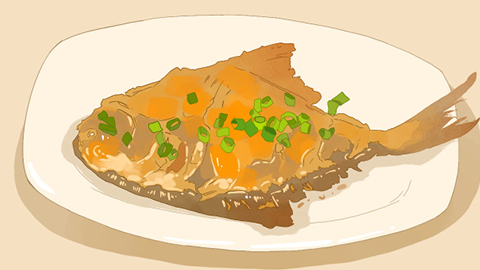
From a nutritional perspective, tuna is a nutrient-rich food, primarily containing EPA, DHA, taurine, calcium, protein, and other substances. These components, once absorbed by the body, can play certain roles in regulating immune function and improving overall physical health. Moreover, there is currently no evidence indicating that eating tuna will worsen liver damage. Therefore, patients may consume it.
However, due to potentially reduced metabolic capacity after liver damage, tuna should be consumed in moderation to avoid excessive intake that could burden the gastrointestinal system and impair normal digestion. Additionally, appropriate cooking methods are important. It is recommended to choose light, low-fat cooking techniques and avoid using spicy or irritating seasonings such as chili peppers and pepper.
It should be noted that while food can assist in supporting body health, it cannot replace medication for treating diseases. A balanced diet is also essential to avoid nutritional deficiencies caused by overly monotonous eating habits.



