


What should be noted during the bleeding stage of external hemorrhoids?
Dec 30, 2024
Source: Cainiu Health

Dr. Li Jingxiang
Introduction
In general, during the bleeding period of external hemorrhoids, it is important to promptly monitor and manage bleeding, maintain anal cleanliness and dryness, adjust dietary habits, avoid strenuous exercise, seek timely medical attention, and undergo regular follow-ups. The bleeding period of external hemorrhoids is a stage that requires special attention. Additionally, incorporating more vegetables and fruits into the daily diet can also help alleviate symptoms, promote recovery, and reduce the risk of complications.
Generally, during the bleeding period of external hemorrhoids, it is important to promptly observe and manage bleeding, maintain anal cleanliness and dryness, adjust dietary habits, avoid strenuous exercise, seek timely medical attention, and undergo regular follow-up examinations. A detailed explanation is as follows:
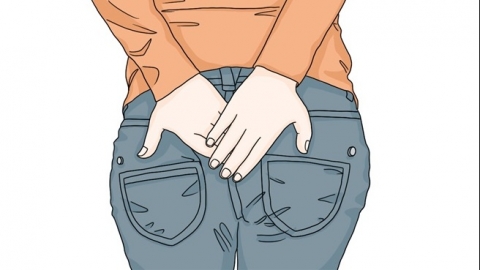
1. Prompt Observation and Management of Bleeding
Bleeding from external hemorrhoids may indicate worsening of the condition and requires timely observation and intervention. Pay attention to the amount and pattern of bleeding—usually dripping or minor spraying during defecation, which stops after wiping. If the bleeding is heavy or continuous, prompt medical consultation is necessary, as hemostatic measures or surgical treatment may be required.
2. Maintain Anal Cleanliness and Dryness
During the bleeding period, the anal area is prone to contamination; maintaining cleanliness and dryness helps prevent infection. After each bowel movement, gently wipe the anal area with soft, moist tissue or warm water. Avoid using rough toilet paper or excessive wiping, which may aggravate symptoms. Additionally, keep the anal area as dry as possible by wearing breathable underwear and using breathable cushions.
3. Adjust Dietary Habits
Diet plays a significant role in managing the bleeding phase of external hemorrhoids, as appropriate eating habits can help alleviate symptoms. Consume more easily digestible, soft-textured foods such as porridge and noodles. Increase fiber intake through vegetables, fruits, and other high-fiber foods to promote intestinal motility and maintain regular, smooth bowel movements.
4. Avoid Strenuous Exercise
Strenuous physical activity may exacerbate symptoms of bleeding external hemorrhoids and hinder recovery. During the bleeding period, avoid vigorous activities such as running or jumping. Instead, opt for mild forms of exercise such as walking or yoga to promote blood circulation and enhance physical fitness.
5. Seek Timely Medical Care and Regular Follow-up
Prompt medical consultation ensures accurate diagnosis and effective treatment, while regular follow-up helps monitor disease progression. If hemorrhoidal bleeding persists or worsens, timely medical attention should be sought. Under a physician's guidance, undergo necessary examinations and treatments such as digital rectal examination or anoscopy. Regular follow-up allows for timely assessment of disease status and adjustment of treatment strategies.
The bleeding period of external hemorrhoids is a phase requiring special attention. Incorporporating daily habits such as consuming more vegetables and fruits can also help alleviate symptoms, promote recovery, and reduce the risk of complications.






