


What causes frequent loose or watery stools?
Dec 30, 2024
Source: Cainiu Health

Dr. Shen Yonghua
Introduction
In general, loose or unformed stools and frequent diarrhea may be related to improper diet, abdominal cold exposure, mental stress, indigestion, chronic enteritis, and other factors. It is advisable to maintain good daily habits, such as eating regularly, consuming less spicy and greasy food, avoiding overeating, ensuring adequate sleep, and engaging in regular physical activity to maintain overall health.
Generally speaking, "laxative stools" refer to diarrhea. Frequent loose stools may be related to improper diet, cold abdomen, mental stress, indigestion, chronic enteritis, and other factors. If discomfort occurs, it is recommended to seek timely medical advice and receive symptomatic treatment under the guidance of a qualified physician. Detailed explanations are as follows:
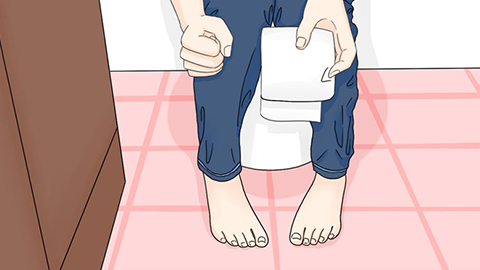
1. Improper Diet
Long-term excessive consumption of greasy, spicy, raw, or hard-to-digest foods, as well as overconsumption of fiber-rich foods such as celery, Chinese chives, and dragon fruit, may increase the burden on the gastrointestinal tract and affect normal digestion and absorption of food, leading to loose stools and recurring diarrhea. It is recommended to maintain a balanced diet, reduce intake of spicy and greasy foods, and consume more easily digestible foods such as vegetables and fruits.
2. Cold Abdomen
Exposure of the abdomen to cold air may accelerate gastrointestinal motility, causing gastrointestinal dysfunction, which can lead to unformed stools and long-term diarrhea. During cold weather, it is important to wear additional clothing, and cover the abdomen with a blanket while sleeping to prevent it from getting chilled.
3. Mental Stress
Excessive mental stress may stimulate the brain to release certain neurotransmitters and hormones, such as cortisol. These substances may affect gastrointestinal motility, secretion, and sensitivity, potentially causing irregular gastrointestinal movement, leading to symptoms such as abdominal pain and diarrhea. It is recommended to try appropriate methods to relieve stress, such as exercise, meditation, listening to music, or communicating with others.
4. Indigestion
Long-term consumption of irritant foods such as tobacco, alcohol, and high-fat foods may stimulate the gastrointestinal mucosa, resulting in indigestion. Patients may experience insufficient gastric motility or inadequate secretion of digestive enzymes, preventing full digestion and absorption of food in the gastrointestinal tract, which may consequently lead to unformed stools and diarrhea. Symptoms often include acid regurgitation and abdominal distension. Treatment options may include medications such as compound azintamide enteric-coated tablets, mosapride citrate tablets, and bifidobacterium-lactobacillus triple viable tablets, as directed by a physician.
5. Chronic Enteritis
Long-term consumption of spicy or irritating foods may irritate the gastrointestinal mucosa, making one prone to chronic enteritis. Chronic enteritis may affect the intestinal absorption and secretion functions, causing unformed stools and recurring diarrhea, which may be accompanied by symptoms such as abdominal pain and blood in the stool. Treatment options may include medications such as amoxicillin capsules, cefuroxime axetil tablets, and sulfasalazine enteric-coated tablets, as advised by a doctor.
Maintain healthy lifestyle habits in daily life, such as eating regular meals, consuming less spicy and greasy food, avoiding overeating, and ensuring adequate sleep and physical activity to maintain overall health.






