


How to manage breast hyperplasia on your own
Dec 31, 2024
Source: Cainiu Health

Dr. Lv Dapeng
Introduction
Under normal circumstances, there is no such thing as "how to manage breast hyperplasia on one's own." Breast hyperplasia may be caused by factors such as excessive stress, unhealthy lifestyle habits, medication effects, endocrine disorders, or mastitis. Depending on the specific situation, general treatments or medication therapy can be used to treat or alleviate the condition. In daily life, it is recommended to eat more vegetables and fruits rich in fiber and maintain healthy dietary habits.
Generally speaking, there is no such thing as "how to manage mammary hyperplasia on one's own." Mammary hyperplasia may be caused by excessive stress, poor living habits, medication effects, endocrine disorders, mastitis, and other factors. Depending on the situation, general treatment or drug therapy can be used to treat or relieve the condition. It is recommended to seek timely medical advice, identify the cause, and undergo symptomatic treatment under a doctor's guidance. Detailed analysis is as follows:
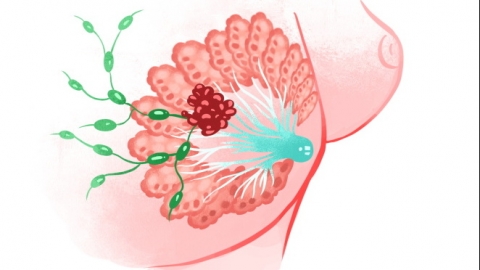
1. Excessive stress: Long-term mental pressure and emotional fluctuations can affect endocrine balance, thereby promoting the development of mammary hyperplasia, which may be accompanied by symptoms such as anxiety, depression, and insomnia. Engaging in moderate exercise, such as yoga or walking, can help relieve stress.
2. Poor lifestyle habits: Long-term late-night activities, overexertion, and other unhealthy lifestyle habits may lead to decreased immunity and exacerbate symptoms of mammary hyperplasia. It is recommended to improve lifestyle habits, ensure sufficient sleep, and avoid staying up late or overexertion.
3. Medication effects: Prolonged use of certain medications, such as contraceptives or estrogen drugs, may lead to mammary hyperplasia. It is recommended to discontinue relevant medications or adjust the dosage and type under a doctor's guidance.
4. Endocrine disorders: May be related to imbalanced nutrition, anxiety, and other factors, leading to excessive proliferation of breast tissue and resulting in mammary hyperplasia, which may be accompanied by irregular menstrual cycles and emotional fluctuations. Patients can use medications such as Modified Xiaoyao Pills, Qizhi Xiangfu Pills, or Wujibai Feng Pills under a doctor's guidance.
5. Mastitis: Mainly caused by poor nipple development, excessive milk production, etc., leading to abnormal proliferation during the process of breast tissue injury and repair, which may be accompanied by breast redness, swelling, and pain. Patients can use medications such as Minocycline Hydrochloride Capsules, Bromocriptine Mesylate Tablets, Rupixiao Capsules, etc., according to medical advice.
In daily life, it is recommended to eat more vegetables and fruits rich in fiber, maintain healthy eating habits, engage in moderate aerobic exercise, and control body weight.




