Can people with mammary hyperplasia eat Pueraria root (Kudzu root)?
Apr 27, 2025
Source: Cainiu Health

Dr. Zhang Xiuhong
Introduction
Under normal circumstances, patients with mammary hyperplasia may consume kudzu root in moderation, but must strictly follow medical advice and avoid long-term or excessive self-administration. Kudzu root is rich in isoflavones, which exhibit phytoestrogenic activity and can help balance estrogen levels in the body through a bidirectional regulatory mechanism. For mammary hyperplasia caused by endocrine disorders, appropriate intake may help alleviate abnormal proliferation of breast tissue.
Generally, patients with mammary hyperplasia can consume kudzu root in moderation, but must strictly follow medical advice and avoid long-term or excessive self-administration. The specific analysis is as follows:
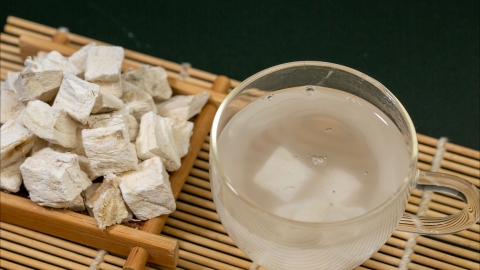
Kudzu root is rich in isoflavones, which exhibit plant estrogen activity and can balance estrogen levels in the body through a bidirectional regulatory mechanism. For mammary hyperplasia caused by endocrine disorders, moderate intake may help alleviate abnormal proliferation of breast tissue. The flavonoid components in kudzu root can dilate blood vessels and improve local microcirculation in the breast, thereby assisting in the relief of breast distension and pain caused by stagnation of qi and blood.
However, consumption should be moderate, as the plant estrogens in kudzu root may interfere with the body's existing endocrine balance. If a patient already has abnormal sensitivity of estrogen receptors, prolonged or excessive intake may worsen symptoms of mammary hyperplasia or even trigger enlargement of breast nodules. Some patients may be sensitive to components of kudzu root and experience allergic reactions such as rash or itching, in which case use should be discontinued immediately and medical attention sought.
To ensure safety and well-being, patients with mammary hyperplasia should consult professional healthcare providers before considering kudzu root consumption. Personalized dietary guidance and recommendations should be obtained based on individual constitution and disease characteristics. At the same time, maintaining good lifestyle habits and a balanced diet while avoiding excessive intake of stimulatory foods is also essential.