


The Benefits of Drinking Water Infused with Mulberry Leaves
Jan 09, 2025
Source: Cainiu Health

Dr. Zhang Xiuhong
Introduction
Mulberry leaves are light in texture and dispersing in nature, excelling in dispelling wind-heat pathogens. They are commonly used to treat wind-heat感冒 (wind-heat invasion) or the initial stages of warm diseases (wenbing). Properly using mulberry leaves to steep in water can help alleviate symptoms such as fever, mild aversion to cold, and cough. When combined with chrysanthemum flowers (Ju Hua) and forsythia fruits (Lian Qiao), their ability to disperse wind-heat is enhanced, effectively relieving exterior syndromes caused by external wind-heat. Mulberry leaves, being bitter and cold, clear lung heat through purgation, and due to their sweet and cold properties, they moisten dryness in the lungs. They are indicated for lung heat or dry heat damaging the lungs.
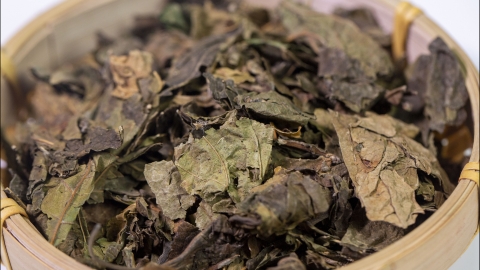
Mulberry leaves generally refer to the leaves of the mulberry tree, and their benefits when steeped in water typically include dispersing wind-heat, clearing lung heat and moistening dryness, subduing hyperactive liver yang, clearing the liver and improving vision, cooling the blood and stopping bleeding.
1. Dispersing Wind-Heat
Mulberry leaves are light in texture and effective for dispersing pathogenic wind-heat. They are commonly used to treat wind-heat感冒 or the early stages of warm diseases. Drinking mulberry leaf tea appropriately can help alleviate symptoms such as fever, slight aversion to cold, and coughing. When combined with chrysanthemum flowers or forsythia, the effect of dispersing wind-heat can be enhanced, effectively relieving symptoms caused by external wind-heat invasion.
2. Clearing the Lungs and Moistening Dryness
Mulberry leaves clear lung heat with their bitter and cold properties and moisten lung dryness with their sweet and cold nature, making them suitable for treating lung heat or dry heat damaging the lungs. Drinking mulberry leaf tea may help relieve symptoms such as dry cough with little phlegm, dry throat, and thirst. They are often used together with ingredients like apricot seeds and bulbous fritillary bulb to clear lung heat, moisten the lungs, and relieve coughing and dry throat symptoms.
3. Subduing Hyperactive Liver Yang
Mulberry leaves can both disperse wind-heat and clear liver heat, making them useful for treating hyperactivity of liver yang, headaches, dizziness, irritability, and anger. When used with chrysanthemum flowers and abalone shell, which are known for their ability to subdue liver yang, mulberry leaves help clear liver heat and calm hyperactive liver yang, thereby relieving symptoms such as headache and dizziness.
4. Clearing the Liver and Improving Vision
Mulberry leaves act on the liver meridian and have the effect of clearing the liver and improving vision. Drinking mulberry leaf tea appropriately can help alleviate symptoms such as red, swollen, and painful eyes caused by excessive liver fire. When combined with chrysanthemum flowers and cassia seeds, which are known for clearing liver heat and improving vision, mulberry leaves can help reduce liver fire and relieve symptoms like red and painful eyes.
5. Cooling the Blood and Stopping Bleeding
Mulberry leaves have the effect of cooling the blood and stopping bleeding, making them suitable for treating bleeding disorders caused by excessive heat in the blood, such as hemoptysis, hematemesis, and epistaxis. Drinking mulberry leaf tea appropriately can help clear heat from the blood and calm the blood vessels, thereby achieving the therapeutic goal of stopping bleeding.
It is recommended to use mulberry leaves under the guidance of a physician. Excessive consumption should be avoided. A light diet is advised, with avoidance of spicy and irritating foods. It is also important to develop good lifestyle habits and avoid excessive fatigue.





