


What to Eat After Autologous Fat Breast Augmentation
Jan 16, 2025
Source: Cainiu Health
Dr. Chen Lu
Introduction
Under normal circumstances, after autologous fat breast augmentation, it is recommended to consume foods such as eggs, milk, lean meat, kiwi fruit, and tomatoes. During the recovery period, one should avoid eating spicy and irritating foods, such as chili peppers, ginger, and pepper, to prevent irritation of the wound and delay healing. At the same time, proper local care should be performed after surgery to keep the wound area dry and clean.
Autologous fat breast augmentation, commonly known as fat transfer breast augmentation, involves transplanting excess fat cells from other parts of the body to the chest area via injection. The transplanted fat cells regrow and integrate with the existing breast tissue, resulting in a fuller and more shapely appearance. The general reference price for autologous fat breast augmentation ranges from 10,000 to 30,000 yuan per session. Noticeable improvement is usually observed within 1-3 months; however, possible complications include infection and fat liquefaction. After autologous fat breast augmentation, it is generally recommended to consume foods such as eggs, milk, lean meat, kiwifruit, tomatoes, and similar items. It is advisable to undergo the procedure at a reputable hospital under the guidance of a qualified physician. Detailed explanations are as follows:
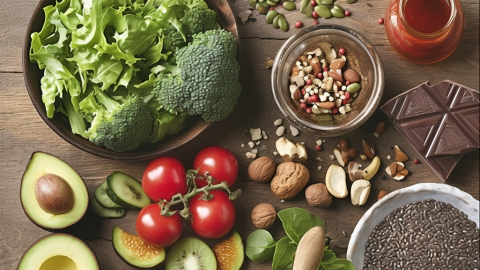
1. Eggs: Eggs are rich in high-quality protein, which is an essential component for cell growth and repair. They also contain nutrients such as vitamin D, vitamin B12, and iron. Moderate egg consumption helps provide the energy required for metabolic processes and promotes the recovery of breast tissue.
2. Milk: Milk contains abundant calcium, vitamin D, and protein. These nutrients contribute to bone health and wound healing. Additionally, the protein in milk supports overall body health.
3. Lean meat: Lean meat is rich in protein, iron, zinc, and other nutrients. Protein is fundamental for cell repair and growth, while iron and zinc help maintain normal immune system function. Consuming lean meat in moderation can enhance immunity and promote wound healing.
4. Kiwifruit: Kiwifruit contains high levels of vitamin C, vitamin K, and dietary fiber. Vitamin C has antioxidant properties that help reduce postoperative inflammation and promote wound healing. Additionally, the dietary fiber in kiwifruit supports intestinal health and contributes to overall recovery.
5. Tomatoes: Tomatoes are rich in antioxidants such as lycopene, vitamin C, and vitamin A. These antioxidants help reduce free radicals in the body, promoting cellular repair and regeneration. Tomatoes also provide a wealth of vitamins and minerals that support overall body health.
During the recovery period, it is advisable to avoid consuming spicy and irritating foods such as chili peppers, ginger, and pepper, as they may irritate the wound and delay the healing process. Additionally, proper postoperative care is essential, including keeping the wound area dry and clean, avoiding early contact with water, and preventing infection.





