


Is there a high risk associated with breast augmentation using autologous fat?
Jan 16, 2025
Source: Cainiu Health
Dr. Chen Lu
Introduction
Autologous fat breast augmentation usually refers to autologous fat breast enhancement. Generally, when the procedure is performed properly, the risks are minimal; however, improper techniques may lead to significant risks. It is recommended to undergo the procedure at a reputable hospital under a physician's guidance. To reduce the risks associated with autologous fat breast augmentation, patients should choose a qualified and正规 hospital for the surgery.
Autologous fat breast augmentation usually refers to breast augmentation through fat transfer. Generally speaking, when the procedure is properly performed, the risks are minimal; however, improper operation may lead to significant risks. It is recommended to undergo the procedure at a reputable hospital under the guidance of a qualified physician. Detailed analysis is as follows:
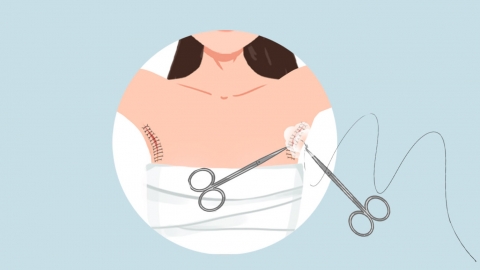
Autologous fat breast augmentation involves transplanting excess fat cells from other areas of the body to the chest region. The transplanted fat cells regrow within the chest and integrate with the existing breast tissue, thereby increasing breast volume and improving breast shape. The usual reference price for autologous fat breast augmentation is approximately 10,000-30,000 yuan per session, with visible improvement typically seen after 1-3 months.
When undergoing autologous fat breast augmentation, if the procedure strictly follows medical instructions and is performed correctly, there are generally no significant risks involved. The surgery can effectively enhance breast appearance and achieve breast augmentation results.
If the surgical procedure is improperly performed, however, significant risks may arise. Improper techniques may lead to localized or systemic infections, presenting symptoms such as redness, pain, and fever. Additionally, postoperative blood vessel rupture or abnormal coagulation function may cause hematomas, resulting in bruising and swelling.
To minimize the risks associated with autologous fat breast augmentation, patients should choose a reputable hospital for the surgery. Furthermore, postoperative care and follow-up appointments should be conducted in accordance with medical advice to ensure safety and optimal outcomes.





