


What are the health risks of eating too much century egg and lean pork congee?
Dec 10, 2025
Source: Cainiu Health

Dr. Huang Yuhong
Introduction
In general, consuming too much preserved egg and lean pork congee may lead to excessive sodium intake, increased kidney burden, gastrointestinal discomfort, nutritional imbalance, and adverse effects on cardiovascular health. Therefore, intake should be moderated. When eating this congee, it's important to observe relevant contraindications and precautions, purchase preserved eggs from正规 channels to reduce the risk of heavy metal contamination, and minimize additional salt during cooking.
Generally, consuming too much preserved egg and lean pork congee may lead to excessive sodium intake, increased kidney burden, gastrointestinal discomfort, nutritional imbalance, and adverse effects on cardiovascular health. Therefore, it's important to moderate consumption. Detailed analysis is as follows:
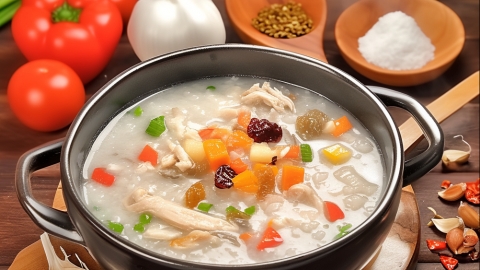
1. Excessive sodium intake: A large amount of salt and sodium carbonate are used during the production of preserved eggs, while the lean pork is often marinated for enhanced flavor. As a result, this congee has a high sodium content. Overconsumption can lead to sodium accumulation in the body, causing symptoms such as thirst and edema. Long-term overconsumption may also increase the risk of chronic diseases.
2. Increased kidney burden: The kidneys are the primary organs responsible for metabolizing sodium and waste products. When sodium intake exceeds normal levels, the kidneys must work harder to excrete the excess. Additionally, trace amounts of heavy metals possibly present in preserved eggs can further increase metabolic stress on the kidneys and impair kidney function if consumed excessively.
3. Gastrointestinal discomfort: Preserved eggs are considered cooling in nature and contain alkaline substances. Eating too many can irritate the gastrointestinal mucosa and disrupt the acid-base balance in the digestive tract. Individuals with weak spleen and stomach functions are particularly prone to symptoms such as bloating, abdominal pain, diarrhea, or indigestion, which can interfere with normal gastrointestinal function.
4. Nutritional imbalance: If preserved egg and lean pork congee is consumed excessively over a long period, it may reduce the intake of other foods, leading to an unbalanced diet. This congee mainly provides carbohydrates and protein but lacks essential nutrients such as vitamins and dietary fiber. Prolonged reliance on this single dish may result in nutritional deficiencies.
5. Adverse effects on cardiovascular health: High sodium intake increases blood volume and places extra strain on the heart. Long-term overconsumption may elevate blood pressure and increase the risk of cardiovascular diseases such as hypertension and coronary heart disease.
When consuming preserved egg and lean pork congee, attention should be paid to contraindications and precautions. Choose preserved eggs from reputable sources to minimize heavy metal exposure, reduce additional salt during cooking, and pair the congee with vegetables and fruits to ensure balanced nutrition. Strictly control the frequency and portion size to maintain dietary safety.









