


What should not be eaten with cherries?
Jan 20, 2025
Source: Cainiu Health

Dr. Yang Ziqi
Introduction
Under normal circumstances, when consuming cherries, one should pay attention to their combination with certain foods and medications. Foods that should not be consumed with cherries include animal liver, strawberries, carrots, cucumbers, and durian. Medications that should not be taken with cherries include ephedrine brompheniramine tablets, acarbose tablets, nitroglycerin tablets, chlorpheniramine maleate tablets, and compound norethindrone tablets.
Under normal circumstances, when consuming cherries, one should be mindful of their combination with certain foods and medications. Foods that should not be consumed together with cherries include animal liver, strawberries, carrots, cucumbers, and durians. Medications that should not be taken together with cherries include ephedrine hydrochloride and diphenhydramine tablets, acarbose tablets, nitroglycerin tablets, chlorpheniramine maleate tablets, and compound norethindrone tablets. Detailed explanations are as follows:
I. Foods
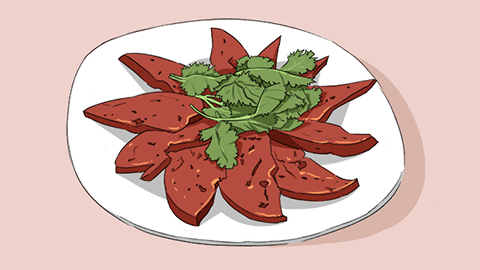
1. Animal Liver
Cherries are rich in iron, and animal liver also contains high levels of copper and iron. When consumed together, they may undergo chemical reactions that could reduce the nutritional value of cherries and potentially affect the absorption and utilization of iron in the body.
2. Strawberries
Strawberries are rich in vitamin C, while cherries contain large amounts of vitamin C-degrading enzymes. Consuming them together may destroy the vitamin C in strawberries, reducing their nutritional value and decreasing vitamin C intake.
3. Carrots
Carrots are rich in carotene and vitamin C, and the vitamin C-degrading enzymes present in cherries may destroy these nutrients. Consuming them together may reduce the nutritional value of carrots and affect the intake of vitamins A and C.
4. Cucumbers
Cucumbers contain an enzyme that breaks down vitamin C, while cherries are rich in vitamin C. Consuming them together may reduce the vitamin C content in cherries, thereby decreasing vitamin C intake.
5. Durian
Durian is a heaty fruit, while cherries are considered cooling. Their properties are opposite, and consuming them together may cause gastrointestinal discomfort and symptoms such as diarrhea.
II. Medications
1. Ephedrine Hydrochloride and Diphenhydramine Tablets
Ephedrine hydrochloride and diphenhydramine tablets are antihistamine medications primarily used to treat allergic diseases. Certain components in cherries may affect the metabolism and efficacy of diphenhydramine, thereby reducing the anti-allergic effects of the medication.
2. Acarbose Tablets
Acarbose tablets are glucose-lowering medications primarily used to treat diabetes. Cherries contain relatively high levels of sugar, and consuming them together with acarbose may cause blood sugar fluctuations, making it difficult for diabetic patients to control their blood sugar levels.
3. Nitroglycerin Tablets
Nitroglycerin tablets are cardiovascular medications primarily used to treat angina and other conditions. Certain components in cherries may interact with nitroglycerin tablets, affecting drug absorption and metabolism, thereby reducing the effectiveness of the medication.
4. Chlorpheniramine Maleate Tablets
Chlorpheniramine maleate tablets are antiallergic medications commonly used to relieve allergy symptoms. Certain components in cherries may affect the metabolism and efficacy of chlorpheniramine maleate, thereby reducing its antiallergic effects.
5. Compound Norethindrone Tablets
Compound norethindrone tablets are oral contraceptives primarily used for birth control. Certain components in cherries may affect the metabolism and efficacy of norethindrone, thereby reducing contraceptive effectiveness.
To ensure the efficacy and safety of foods and medications, it is recommended to avoid consuming cherries together with these foods or medications, or to properly schedule meal and medication times under a doctor's guidance. Additionally, it is important to observe bodily reactions and seek medical attention promptly if any discomfort occurs.






