


How is human papillomavirus (HPV) transmitted?
Jan 24, 2025
Source: Cainiu Health

Dr. Zhang Lu
Introduction
Under normal circumstances, human papillomavirus (HPV) can be transmitted through sexual contact, mother-to-child transmission, close contact, indirect contact, and iatrogenic transmission. To prevent HPV infection, HPV vaccination can be administered, and attention should also be paid to sexual hygiene and safety, avoiding sexual activity with multiple partners.
Under normal circumstances, human papillomavirus (HPV) can be transmitted through sexual contact, mother-to-child transmission, close contact, indirect contact, and iatrogenic transmission. A detailed explanation is as follows:
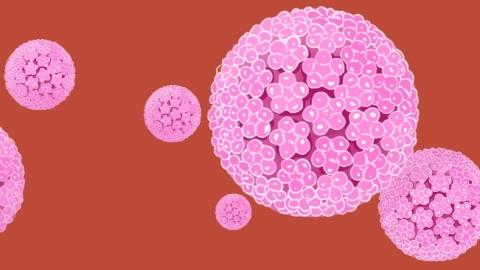
1. Sexual Transmission
During sexual activity, direct contact between genital organs makes it easy for HPV to spread between sexual partners, including through vaginal intercourse, anal intercourse, and oral sex. Having multiple sexual partners and initiating sexual activity at an early age are among the factors that increase the risk of HPV infection.
2. Mother-to-Child Transmission
An HPV-infected mother may transmit the virus to her newborn during delivery. For example, as the fetus passes through the birth canal, it may come into contact with HPV present in the mother's vagina and cervix, potentially leading to diseases such as juvenile respiratory papillomatosis.
3. Close Contact Transmission
Close skin contact with an infected individual, such as sharing personal items like towels, washcloths, toothbrushes, and razors, or touching HPV-contaminated objects in public places like swimming pools, public baths, and gyms, may lead to HPV infection.
4. Indirect Contact Transmission
HPV can remain on objects previously touched by an infected person, such as towels, underwear, bed sheets, toilet seats, and bathtubs. When healthy individuals come into contact with these contaminated objects, they may become infected with HPV.
5. Iatrogenic Transmission
During medical procedures, if medical instruments are not thoroughly disinfected or healthcare workers fail to follow proper protective measures, HPV may be transmitted to patients. For example, during gynecological examinations or surgical procedures, residual HPV on instruments may lead to cross-infection.
To prevent HPV infection, individuals can receive the HPV vaccine, maintain hygiene and safety during sexual activity, and avoid having multiple sexual partners.





