


How to Prevent Darkening During the Wound Healing Process
Jan 24, 2025
Source: Cainiu Health

Dr. Liu Wenmin
Introduction
In general, darkening of the wound during the healing process can be prevented by keeping the wound clean, avoiding direct sunlight, maintaining a balanced diet, promoting blood circulation, and avoiding scratching or irritating the wound. When going out, especially in strong sunlight, the wound area should be covered with clothing, umbrellas, or other遮阳 tools, or protected using physical sunscreen agents.
In general, darkening of the wound during the healing process can be prevented by keeping the wound clean, avoiding direct sunlight exposure, maintaining a balanced diet, promoting blood circulation, and refraining from scratching the wound. The detailed explanation is as follows:
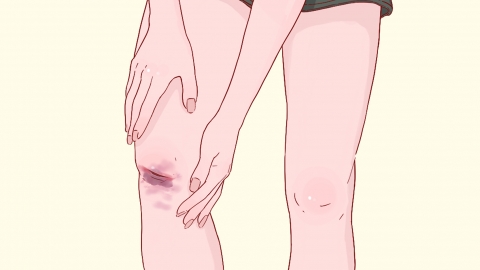
1. Keep the wound clean
Keeping the wound clean is very important during the healing process. Regularly cleaning the wound with a mild, non-irritating disinfectant can effectively prevent dirt and bacteria from contaminating the wound, thus avoiding inflammatory reactions and reducing the risk of pigmentation.
2. Avoid direct sunlight exposure
Ultraviolet rays in sunlight stimulate melanocytes in the skin to produce more melanin, thereby exacerbating pigmentation at the wound site. Therefore, during the wound healing period, the wound should be kept out of direct sunlight as much as possible.
3. Maintain a balanced diet
Diet significantly influences wound healing and pigmentation. It is recommended to consume foods rich in vitamin C, vitamin E, and protein, such as fresh fruits and vegetables, lean meats, fish, and legumes.
4. Promote blood circulation
Poor local blood circulation may also lead to darkening during wound healing. Therefore, applying warm compresses or massage can help promote blood circulation and reduce pigmentation.
5. Avoid scratching the wound
During the healing process, the wound may feel itchy. However, scratching the wound can damage newly formed skin tissue, delay healing, and potentially cause inflammation and increase the likelihood of pigmentation. Therefore, scratching should be avoided.
When going outdoors, especially in strong sunlight, cover the wound area with clothing, an umbrella, or apply physical sunscreen for protection. Additionally, keep the wound dry and avoid getting it wet to prevent infection.




