


How to prevent scarring from burns
Nov 25, 2025
Source: Cainiu Health

Dr. Liu Wenmin
Introduction
To prevent scarring after a burn, it is important to promptly and properly treat the wound, keep the wound clean and dry, avoid infection, prevent secondary injury, and practice proper sun protection during later stages. In cases of severe burns, it is recommended to seek timely medical attention at a正规 hospital for professional care. Additionally, during the wound healing process, consuming foods rich in vitamin C and protein may help support skin tissue repair.
To minimize scarring after a burn, it is important to promptly and properly treat the wound, keep the wound clean and dry, prevent infection, avoid secondary injury to the wound, and practice proper sun protection during later stages. In cases of severe burns, prompt medical attention at a正规 hospital is recommended for professional care. Specific measures are as follows:
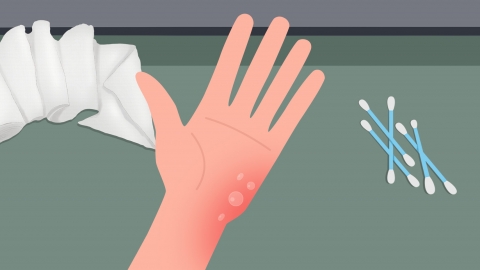
1. Prompt and Proper Wound Treatment
Immediately after a burn, rinse the affected area under cool running water for 15 to 20 minutes. After rinsing, gently cover the area with sterile gauze. High temperatures can destroy skin tissue; timely cooling halts ongoing thermal damage, reduces the extent of tissue necrosis, creates favorable conditions for skin repair, and lowers the likelihood of scar formation.
2. Keep the Wound Clean and Dry
Avoid exposing the wound to dirty water or dust in daily activities. Always wash hands thoroughly before changing dressings. A moist and unclean environment promotes bacterial growth. Keeping the wound clean and dry reduces the risk of infection and supports orderly regeneration of epidermal cells, preventing abnormal tissue proliferation.
3. Prevent Wound Infection
Do not squeeze blisters arbitrarily. Use medical antibacterial agents as directed by a healthcare provider. The blistered skin acts as a natural protective layer over the wound; breaking it increases the risk of infection. Infections disrupt normal tissue healing and may lead to excessive fibrous tissue growth, resulting in prominent scarring.
4. Prevent Secondary Injury to the Wound
Avoid scratching or rubbing the wound during healing. Wear loose, soft clothing. Newly formed skin is delicate, and physical irritation can damage regenerating epidermal cells, impair wound healing, and promote scar formation.
5. Practice Sun Protection During Recovery
After the wound has healed, apply gentle sunscreen when going outdoors or cover the area with clothing. New skin is highly sensitive to ultraviolet (UV) rays. Exposure to sunlight can cause hyperpigmentation, darkening the healed area and leading to visible pigmented scars that affect skin appearance.
In addition, during the healing process, consuming foods rich in vitamin C and protein may support skin tissue repair. If abnormal tissue growth occurs, seek medical attention promptly for appropriate intervention.




