


What should I do if there is a hard lump inside a scar?
Nov 28, 2025
Source: Cainiu Health

Dr. Li Feng
Introduction
In general, hard lumps within a scar may result from the normal wound healing process, scar-prone constitution, scar hypertrophy, local infection, precancerous changes in the scar, or scar cancer. It is recommended to seek timely medical evaluation to determine the underlying cause, followed by appropriate interventions such as conservative management or medication. During wound healing, fibroblasts proliferate extensively and secrete collagen to form fibrous connective tissue.
Generally, hard lumps within a scar may result from the normal wound healing process, scar-prone constitution, scar hypertrophy, local infection, or precancerous changes in the scar tissue. It is recommended to seek timely medical evaluation to determine the underlying cause, followed by appropriate interventions such as conservative management or medication. Specific causes are analyzed as follows:
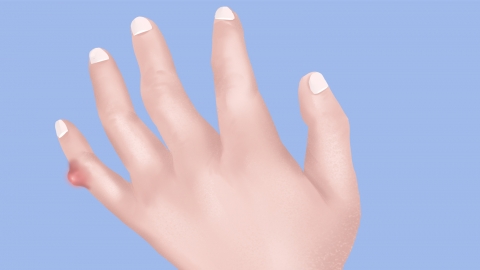
1. Normal wound healing process: During wound healing, fibroblasts proliferate and secrete collagen to form fibrous connective tissue, which is a normal physiological response of the body's repair mechanism. This can lead to the formation of hard lumps within the scar. No special treatment is required; over time, some lumps may gradually soften and shrink.
2. Scar-prone constitution: Genetic factors may predispose individuals to develop abnormal scars. After injury, fibroblasts become overly active and produce excessive collagen, resulting in prominent hard lumps. Topical treatments such as silicone gel dressings, madecassol cream, or combination heparin sodium and allantoin gel can be used to suppress scar formation and reduce lump severity.
3. Scar hypertrophy: During healing, fibrous connective tissue may grow excessively beyond the original wound boundaries, forming firm lumps often accompanied by itching or pain. In addition to topical medications, intralesional corticosteroid injections (e.g., triamcinolone acetonide injection) may be administered to inhibit fibrous tissue overgrowth.
4. Local infection: Improper wound care may allow bacterial invasion and subsequent infection. Inflammatory responses stimulate surrounding tissues, leading to hard lumps along with redness, swelling, warmth, and pain. Under medical guidance, topical antibiotics such as mupirocin ointment, fusidic acid cream, or erythromycin ointment should be applied to control the infection.
5. Precancerous changes in scar tissue: Long-term chronic irritation—such as repeated ulceration or infection—can induce abnormal cellular changes in scar tissue, increasing the risk of malignant transformation. These lesions typically present as hardened lumps with unclear borders. Surgical excision of the affected tissue is necessary, followed by pathological examination to guide further treatment planning.
In daily life, protect wounds and avoid trauma. Properly manage injuries when they occur, keeping the area clean and dry. Regularly monitor scar changes and consult a healthcare provider promptly if any abnormalities arise.







