


Is an ultrasound examination required for postoperative follow-up?
Jan 24, 2025
Source: Cainiu Health

Dr. Zhang Lu
Introduction
In general, whether a follow-up ultrasound is needed after surgery should be determined based on specific circumstances. If an ultrasound can provide a clear view of the surgical site's recovery, it is usually recommended. However, for surgeries such as intracranial or cardiac procedures, an ultrasound may not be necessary. The specific follow-up tests and their frequency should be determined according to the doctor's recommendations.
Generally speaking, whether a follow-up B-ultrasound is needed after surgery should be determined based on specific circumstances. If the surgical site's recovery can be directly observed via B-ultrasound, it is usually necessary; however, for surgeries such as intracranial or cardiac surgery, a B-ultrasound may not be required. If discomfort occurs, timely medical consultation is recommended. Detailed analysis is as follows:
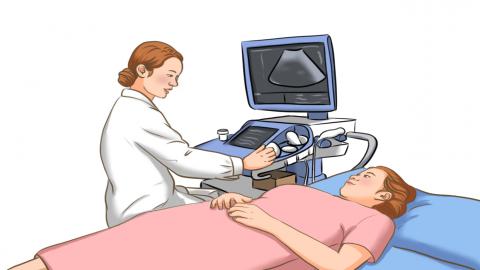
If the surgery involves procedures such as hysterectomy or thyroid surgery, performing a B-ultrasound can directly display the recovery status of the surgical site, including tissue healing, incision recovery, and the presence of any abnormal lesions. In such cases, a B-ultrasound is typically necessary. Additionally, some postoperative complications may occur, such as infection, bleeding, or fluid accumulation. A B-ultrasound can promptly detect these complications, providing accurate diagnostic evidence for physicians to implement appropriate treatment measures.
For intracranial surgery, heart surgery, and similar procedures, due to the deep anatomical location or complex structures, accurate observation via B-ultrasound may be difficult. In such cases, other diagnostic methods, such as CT or MRI, may be required. Furthermore, if the patient's postoperative recovery is satisfactory, no abnormal symptoms have arisen, and the physician deems a B-ultrasound unnecessary, this step can be omitted.
The specific items and frequency of postoperative follow-up should be conducted according to the physician's recommendations. Patients should attend follow-up appointments on schedule and provide detailed reports of their recovery progress to the physician. It is also important to maintain a healthy lifestyle, including a balanced diet, appropriate exercise, and avoiding excessive fatigue, to promote physical recovery.




