


How to Prevent Rabies After Being Scratched
Jan 24, 2025
Source: Cainiu Health

Dr. Yang Ziqi
Introduction
In general, rabies can be prevented through immediate wound cleansing, expressing contaminated blood, applying disinfectants, administering rabies vaccine, and giving rabies immunoglobulin after being scratched. Under normal circumstances, avoid contact with wild animals that may carry the virus, such as bats, raccoons, and foxes. If contact is necessary, maintain a safe distance and avoid being bitten or coming into contact with the animal's saliva.
Generally, rabies can be prevented after being scratched by immediately washing the wound, squeezing out contaminated blood, using a disinfectant, receiving a rabies vaccine, and administering rabies immunoglobulin. Detailed explanations are as follows:
1. Wash the wound immediately
After being scratched by an animal, the wound should be immediately washed with soap and running water for at least 15 minutes. This step can remove viruses from the wound surface and reduce the risk of infection.
2. Squeeze out contaminated blood
During the process of washing the wound, contaminated blood within the wound should be squeezed out as much as possible, which helps further reduce residual viruses in the body.
3. Use a disinfectant
After washing the wound, disinfectants such as povidone-iodine or 75% alcohol can be used to disinfect the wound, killing any potentially remaining viruses.
4. Receive a rabies vaccine
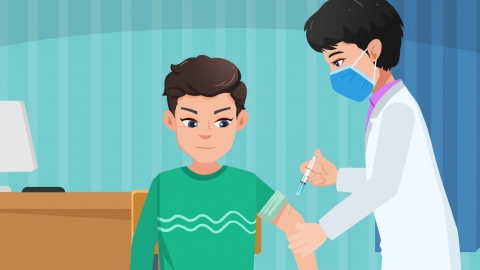
Vaccination with a rabies vaccine is a safe and effective method to prevent the onset of rabies. After being scratched by an animal, one should promptly go to a regular hospital or disease control center to receive a rabies vaccine and complete the full vaccination schedule according to the prescribed protocol.
5. Receive rabies immunoglobulin
In cases of severe scratches or high-risk exposure, rabies immunoglobulin may also be required. This is a form of passive immunization that can neutralize rabies virus in the body and provide additional protection.
Ordinarily, avoid contact with wild animals that may carry the virus, such as bats, raccoons, and foxes. If contact is necessary, maintain a safe distance and avoid being bitten or coming into contact with the animal's saliva.





