


How to examine cervical cysts
Jan 25, 2025
Source: Cainiu Health

Dr. Zhang Lu
Introduction
Under normal circumstances, cervical cysts can be detected through gynecological examinations, cervical smear tests, colposcopy, B-ultrasound examinations, TCT tests, and other methods. It is recommended in daily life to wash the external genitalia with warm water every day, avoid using harsh cleansers, and keep the external genital area clean and dry. Regular gynecological examinations can help detect cervical abnormalities early, allowing timely treatment and preventing the condition from worsening.
Generally, cervical cysts can be examined through gynecological examination, cervical smear test, colposcopy, B-ultrasound, and liquid-based thin-layer cytological testing. If experiencing any discomfort, it is recommended to seek medical attention promptly. Detailed analysis is as follows:
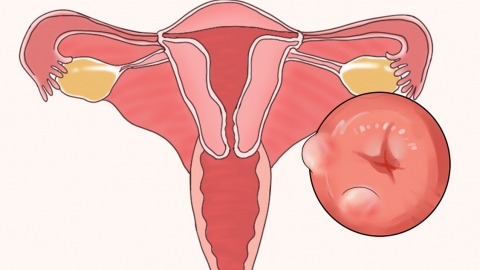
1. Gynecological Examination
Through physical palpation and visual inspection by a physician, small cystic blisters protruding on the cervix can be identified, allowing for a preliminary determination of the presence of cervical cysts. The physician will also observe whether there are accompanying symptoms such as erosion, bleeding, or cervical enlargement.
2. Cervical Smear Test
A small sample of cells is collected from the uterine cervix, smeared onto a glass slide, and then examined under a microscope to detect any abnormalities. The significance of the cervical smear test lies in the early exclusion of cervical cancer and precancerous conditions.
3. Colposcopy
Colposcopy allows for magnification of the cervix, enabling the physician to more clearly observe subtle changes in the morphology and structure of the cervical epithelium and blood vessels. If necessary, tissue samples can be taken under colposcopic guidance for pathological examination to determine the nature of the cervical cyst and whether other lesions are present.
4. B-Ultrasound Examination
B-ultrasound is a non-invasive diagnostic method that uses sound wave imaging to visualize the cervix and pelvic region, helping to determine the size, location, and type of cervical cyst.
5. Liquid-Based Thin-Layer Cytological Testing
Liquid-based thin-layer cytology primarily involves collecting cells from the cervical surface and endocervical canal for cytological analysis to detect any abnormal cellular changes. This test is used to screen for cervical cancer and precancerous lesions and can also assist in determining whether cervical cysts exhibit malignant tendencies.
Daily recommendations include washing the external genitalia with warm water daily, avoiding the use of harsh cleansers, and maintaining cleanliness and dryness of the external genital area. Regular gynecological examinations can help detect cervical abnormalities early, allowing for timely treatment and preventing disease progression.







