


Can people with spleen-stomach deficiency cold eat cucumber with ice cream?
Feb 11, 2025
Source: Cainiu Health

Dr. Shen Yonghua
Introduction
Under normal circumstances, individuals with spleen-stomach deficiency cold are not advised to consume cucumber with ice cream. Spleen-stomach deficiency cold typically presents with symptoms such as cold intolerance, abdominal pain, bloating, poor appetite, and cold extremities. People with this condition have weakened gastrointestinal function and are more sensitive to cold, raw, spicy, and greasy foods. Cucumber is cool in nature and has functions including clearing heat, promoting diuresis, detoxification, and reducing swelling.
Generally, it is not recommended for individuals with spleen-stomach deficiency cold to consume cucumbers together with ice cream. Detailed explanations are as follows:
Spleen-stomach deficiency cold typically manifests as cold intolerance, abdominal pain, bloating, poor appetite, and cold extremities. Individuals with this condition have weakened gastrointestinal function and are particularly sensitive to cold, raw, spicy, and greasy foods. Cucumbers are cool in nature and have effects of clearing heat, promoting diuresis, detoxification, and reducing swelling. Those with spleen-stomach deficiency cold already have insufficient yang energy in the spleen and stomach and weak digestive function. Consuming cool-natured cucumbers may further impair the yang energy of the spleen and stomach, worsening their functional weakness, affecting digestion and absorption, and possibly causing symptoms such as cold epigastric pain, bloating, and diarrhea.
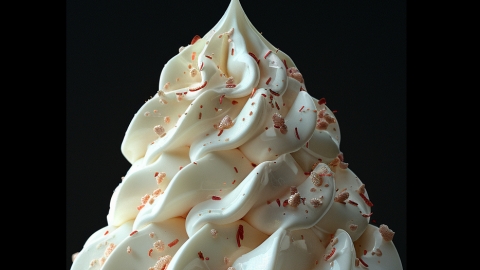
Ice cream is a raw and cold food with an extremely low temperature that can rapidly cause gastrointestinal blood vessels to constrict and reduce blood flow, thus affecting normal gastrointestinal peristalsis and secretion of digestive fluids. The gastrointestinal tract of individuals with spleen-stomach deficiency cold is more sensitive to cold stimulation. After consuming ice cream, they may easily experience gastrointestinal spasms, abdominal pain, nausea, discomfort, and problems such as indigestion and poor appetite.
Individuals with spleen-stomach deficiency cold should avoid cold, raw, spicy, and greasy foods and consume more warm, easily digestible foods such as red dates, ginger, and Chinese yam. They should also keep the abdomen warm to avoid cold exposure and engage in appropriate physical exercise to strengthen their constitution.





