


What does the Haemophilus influenzae type B vaccine prevent?
Feb 11, 2025
Source: Cainiu Health

Dr. Ren Yi
Introduction
The Haemophilus influenzae type B (Hib) vaccine is primarily used to prevent various severe diseases caused by Haemophilus influenzae type B, such as acute epiglottitis, pneumonia, meningitis, pericarditis, and sepsis. It is recommended that eligible children receive the Hib vaccine in a timely manner to protect their health. At the same time, attention should also be paid to personal hygiene and protective measures to reduce the risk of infection.
Haemophilus influenzae type B (Hib) vaccine is primarily used to prevent various severe diseases caused by Haemophilus influenzae type B, such as acute epiglottitis, pneumonia, meningitis, pericarditis, and sepsis. The analysis is as follows:
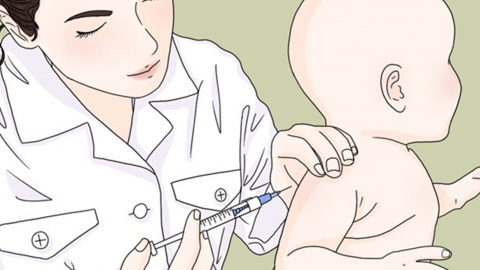
1. Acute Epiglottitis: Haemophilus influenzae type B can enter the body through the respiratory tract and colonize the epiglottis, causing inflammation. The epiglottis swells rapidly, leading to airway narrowing. After vaccination, the antibodies produced in the body can prevent Haemophilus influenzae type B from colonizing and infecting the epiglottis, thus effectively preventing the occurrence of acute epiglottitis.
2. Pneumonia: Haemophilus influenzae type B multiplies extensively in the respiratory tract, damaging the respiratory mucosa, causing pulmonary inflammation and affecting gas exchange. Patients may experience symptoms such as fever, cough, sputum production, and rapid breathing. The antibodies generated after vaccination help the body eliminate Haemophilus influenzae type B from the respiratory tract, reduce pulmonary inflammatory response, and prevent the occurrence of pneumonia or alleviate its severity.
3. Meningitis: Meningitis is an inflammation of the meninges caused by bacterial or viral infection, and Haemophilus influenzae type B is the main pathogen causing purulent meningitis in children. Meningitis may lead to severe neurological sequelae and even be life-threatening. The antibodies induced by the Haemophilus influenzae type B vaccine can recognize and bind to Haemophilus influenzae type B, preventing its entry into the brain and reducing the risk of meningitis.
4. Pericarditis: After entering the bloodstream, Haemophilus influenzae type B can invade the pericardium, causing pericardial inflammation. Patients often experience symptoms such as chest pain, difficulty breathing, and fever. Vaccination enables the body to produce antibodies against Haemophilus influenzae type B, clearing the bacteria before they enter the bloodstream, thus reducing the likelihood of developing pericarditis.
5. Sepsis: Haemophilus influenzae type B can breach the body's defense barriers, enter the bloodstream, multiply extensively, and release toxins, leading to sepsis. Sepsis may cause symptoms such as high fever, chills, rash, and joint pain, and may also trigger multiple organ dysfunction syndrome. Specific antibodies produced after vaccination against Haemophilus influenzae type B can rapidly identify and eliminate the bacteria from the bloodstream, effectively preventing the occurrence of sepsis.
It is recommended that children who meet the vaccination criteria receive the Haemophilus influenzae type B vaccine in a timely manner to protect their health. At the same time, attention should also be paid to personal hygiene and protective measures to reduce the risk of infection.






