


Can the white seeds of a watermelon be eaten?
Feb 12, 2025
Source: Cainiu Health

Dr. Shen Yonghua
Introduction
Watermelon white seeds contain various nutrients, including vitamin C, calcium, magnesium, potassium, and more, all of which are beneficial to the body. For example, vitamin C helps boost immunity, while calcium and magnesium support bone health, and potassium helps maintain electrolyte balance in the body. Additionally, watermelon white seeds also have certain medicinal values, such as promoting bowel movement and clearing heat and phlegm from the lungs.
Generally speaking, the white seeds of watermelon are edible. The analysis is as follows:
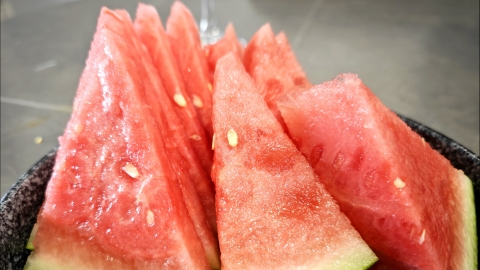
Watermelon white seeds contain various nutrients, including vitamin C, calcium, magnesium, potassium, and others beneficial to the body. For example, vitamin C helps boost immunity, while calcium and magnesium benefit bone health, and potassium helps maintain electrolyte balance in the body. Additionally, watermelon white seeds also have certain medicinal values, such as promoting bowel movement, clearing the lungs and resolving phlegm, and enhancing metabolic functions.
The skin of watermelon white seeds is relatively thin, and a small quantity might be accidentally ingested during consumption, which generally does not cause any adverse effects on the body. At the same time, these seeds can also be chewed or crushed and then swallowed. Moreover, watermelon white seeds can be used in making pastries, biscuits, and other foods, adding nutritional value and texture.
Although watermelon white seeds contain numerous nutrients, excessive consumption may increase the burden on the gastrointestinal tract. When purchasing and consuming watermelon, it is important to choose fresh ones and avoid eating white seeds that are moldy, spoiled, or contaminated.





