Can ultraviolet irradiation reduce swelling?
Feb 12, 2025
Source: Cainiu Health

Dr. Wang Lei
Introduction
In general, ultraviolet irradiation has a certain anti-inflammatory effect. This anti-inflammatory effect of ultraviolet irradiation is widely applied in the treatment of various diseases and injuries, such as folliculitis, furuncles, herpes zoster, neuritis, pressure ulcers, oral ulcers, and conditions involving swelling, bruising, or poor healing and inflammation of post-surgical wounds. Skin redness (erythema) and other reactions may occur after irradiation.
Generally speaking, ultraviolet radiation has a certain anti-edema effect. The detailed analysis is as follows:
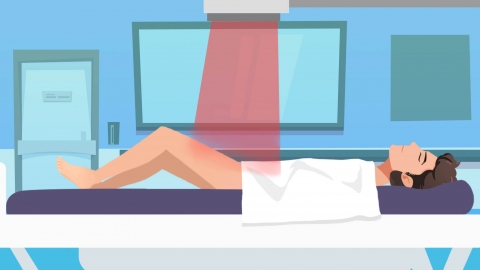
Ultraviolet radiation can enhance local blood circulation, facilitating the delivery of more nutrients and oxygen to the injured area while removing metabolic waste and inflammatory mediators, which helps alleviate swelling. Ultraviolet light can damage the genetic material of microorganisms, achieving a sterilization effect, thereby inhibiting the growth of pathogens, reducing local inflammatory responses, and aiding in the resolution of swelling.
The anti-edema effects of ultraviolet radiation are widely applied in the treatment of various diseases and injuries, such as folliculitis, furuncles, herpes zoster, neuritis, pressure ulcers, oral ulcers, and trauma-induced swelling and bruising, as well as postoperative wound inflammation and poor healing. After irradiation, skin reactions such as erythema may occur, which are normal physiological phenomena that can resolve spontaneously after some time.
The dosage and frequency of ultraviolet irradiation should be determined according to the patient's specific condition and the doctor's recommendations. Excessive exposure may lead to skin damage. Additionally, patients should pay attention to post-irradiation care and observation and seek medical help promptly if any adverse reactions occur.