


How to Perform Targeted Treatment for Menstrual Disorders
Feb 13, 2025
Source: Cainiu Health

Dr. Zhang Lu
Introduction
Menstrual disorders may be caused by excessive mental stress, irregular lifestyle habits, hyperprolactinemia, polycystic ovary syndrome (PCOS), premature ovarian insufficiency, and other factors. Under a doctor's guidance, general treatment and medication therapy can be utilized for targeted intervention. In daily life, it is recommended to maintain a balanced diet, keep a healthy body weight, and consume an appropriate amount of foods rich in protein, vitamins, and minerals.
Generally, menstrual disorders may be caused by excessive mental stress, irregular lifestyle habits, hyperprolactinemia, polycystic ovary syndrome (PCOS), and premature ovarian insufficiency. Under a doctor's guidance, general treatment and medication can be used according to the specific cause. A detailed explanation is as follows:
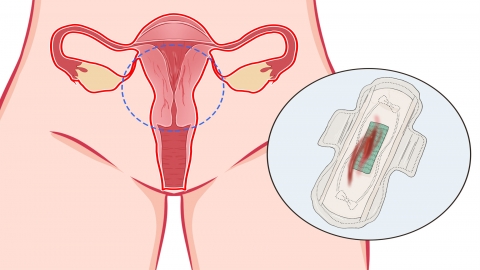
1. Excessive Mental Stress
Long-term excessive mental stress can lead to dysfunction of the hypothalamus, affecting hormone secretion along the hypothalamic-pituitary-ovarian axis, thereby causing menstrual disorders. It is recommended to maintain a cheerful mood and engage in appropriate psychological adjustment techniques, such as meditation and yoga, to reduce mental stress.
2. Irregular Lifestyle Habits
Poor lifestyle habits, such as staying up late and irregular sleep patterns, can disrupt the endocrine system and potentially lead to menstrual disorders. It is advisable to develop regular sleep habits, ensure sufficient sleep, and avoid staying up late.
3. Hyperprolactinemia
Hyperprolactinemia is caused by factors such as pituitary prolactinoma and hypothyroidism, leading to elevated prolactin levels and resulting in the aforementioned symptoms. Headache and visual disturbances may also occur. Under a doctor's guidance, medications such as octreotide acetate injection, vitamin B6 tablets, and aripiprazole tablets can be used for treatment.
4. Polycystic Ovary Syndrome (PCOS)
Polycystic ovary syndrome results from the combined effects of genetic and environmental factors, potentially causing abnormal follicular development in the ovaries and excess androgen production. Symptoms may include infrequent menstruation or amenorrhea, along with obesity and infertility. Patients can follow medical advice to use medications such as levonorgestrel tablets, compound norethindrone tablets, and dexamethasone tablets for treatment.
5. Premature Ovarian Insufficiency
Premature ovarian insufficiency is caused by factors such as genetic predisposition, autoimmune diseases, and iatrogenic injuries, potentially leading to early ovarian function decline and menstrual disorders. Patients may also experience reduced fertility and osteoporosis. Under a doctor's guidance, medications such as estradiol valerate tablets, coenzyme Q10 soft capsules, and progesterone capsules can be used for treatment.
Maintaining a balanced diet, a healthy weight, and moderate intake of foods rich in protein, vitamins, and minerals can help prevent symptoms of menstrual disorders.






