


Does endometriosis cause menstrual irregularities?
Jan 25, 2025
Source: Cainiu Health

Dr. Zhang Lu
Introduction
In general, endometriosis may cause menstrual irregularities. Endometriosis refers to the presence of endometrial tissue outside the uterine cavity, such as in the pelvic cavity, ovaries, and other locations. These displaced endometrial tissues still respond to hormonal changes. During the menstrual cycle, normal endometrial tissue proliferates and sheds in response to hormonal stimulation, forming menstruation.
Generally, whether endometriosis causes menstrual disorders depends on the specific circumstances. If the lesion does not involve the ovaries, it may not lead to menstrual irregularities. However, if the ovaries are affected or normal ovarian function is compromised, menstrual disorders may occur. If there are any discomfort symptoms, timely medical consultation and treatment are recommended. Detailed analysis is as follows:
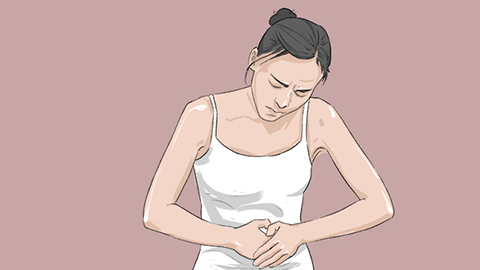
Endometriosis refers to the presence of endometrial tissue in locations outside the uterine cavity, such as the pelvic cavity, ovaries, etc. If the endometriosis lesion is mild, without involving the ovaries or other key reproductive organs, or if the patient's endocrine system can effectively regulate hormone levels, menstrual disorders may not occur.
When endometriosis involves the ovaries or affects normal ovarian function, hormonal imbalances may occur, potentially disrupting the regular menstrual cycle. This may manifest as menstrual irregularities, including shortened or prolonged cycles, irregular bleeding, or changes in menstrual flow, such as increased volume, prolonged duration, or spotting.
During menstruation, patients with endometriosis should keep warm and avoid cold exposure. Sexual activity should also be avoided to prevent retrograde menstruation, which could lead to the growth of endometrial tissue in areas outside the uterus, as well as to reduce the risk of gynecological infections and intrauterine adhesions.



