


Is the decline in kidney function related to eating too much durian?
Feb 14, 2025
Source: Cainiu Health

Dr. Yang Guang
Introduction
Excessive consumption of durian may lead to decreased kidney function; however, reduced kidney function could also be related to other unhealthy lifestyle habits, such as long-term smoking and alcohol consumption. Patients with impaired kidney function should regularly monitor kidney function indicators, such as blood urea nitrogen (BUN) and creatinine, to assess renal recovery. During this period, patients should control their intake of durian and avoid consuming excessive amounts at one time.
Generally speaking, excessive consumption of durian may lead to a decline in kidney function. However, decreased kidney function could also be related to other unhealthy lifestyle habits, such as long-term smoking and alcohol consumption. If any abnormalities occur, prompt medical attention is recommended. Detailed analysis is as follows:
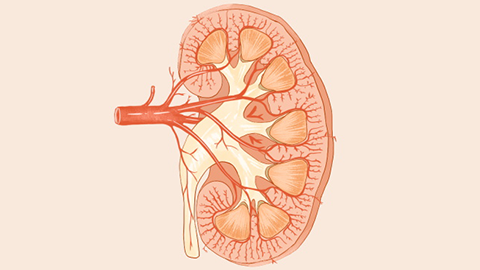
Durian contains abundant nutrients, including vitamins, trace elements, fats, and sugars. Due to its high sugar and potassium content, excessive durian consumption may increase the excretory burden on the kidneys. Long-term overconsumption could gradually impair kidney function, particularly in individuals who already have kidney disease or weakened kidney excretion capacity.
Other unhealthy habits, such as chronic smoking and excessive alcohol consumption, can also contribute to declining kidney function. For example, harmful substances in tobacco can damage the vascular structure of the kidneys, affecting blood supply and gradually weakening kidney function. Excessive alcohol consumption may cause liver damage, potentially leading to hepatorenal syndrome and impairing normal kidney function.
Patients experiencing kidney function decline should regularly monitor kidney function indicators, such as blood urea nitrogen and creatinine levels, to assess kidney recovery. During this period, patients should control their intake of durian and avoid consuming large quantities at once.






