


Can a lung CT scan detect heart problems?
Feb 19, 2025
Source: Cainiu Health

Dr. Ren Yi
Introduction
A lung CT scan cannot directly examine the internal structure and function of the heart, such as valve disease, coronary artery stenosis, or cardiomyopathy. For these cardiac issues, more specialized diagnostic methods include echocardiography, coronary angiography, and cardiac MRI. Therefore, if a clear diagnosis of heart disease is required, relying solely on a lung CT is insufficient.
CT refers to a CT scan. A lung CT scan is generally used to examine lung diseases, but it may also indirectly detect some heart problems, although it cannot provide accurate information.
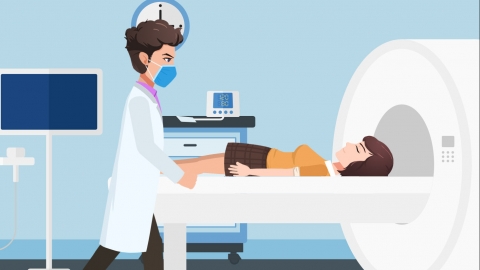
A lung CT scan cannot directly examine the internal structure and function of the heart, such as valve disease, coronary artery stenosis, or cardiomyopathy. For these cardiac issues, more specialized diagnostic methods include echocardiography, coronary angiography, and cardiac MRI. Therefore, if a clear diagnosis of heart disease is needed, relying solely on a lung CT scan is insufficient, and further cardiac-specific examinations may be necessary.
A lung CT scan can display the general outline, size, position of the heart, as well as the size and shape of each atrium. It can also reveal whether there is dilation, narrowing, or blockage in the major blood vessels of the heart. Cardiomegaly (enlarged heart) can alter the heart's contour and is easily detected during a lung CT scan. Pericardial effusion can cause changes in heart shape, which can also be observed through lung CT imaging. However, for subtle cardiac structural abnormalities or functional impairments, lung CT may not provide sufficient diagnostic information.
Patients should undergo examinations under a doctor's guidance. Maintaining a light diet and healthy lifestyle habits is also important to promote both lung and heart health.






