


How to treat cerebellar neurological dysfunction
Feb 20, 2025
Source: Cainiu Health

Dr. Lv Zhiqin
Introduction
Cerebellar neurological dysfunction may be caused by factors such as aging, genetic predisposition, viral encephalitis, spinocerebellar ataxia, or multiple sclerosis. The appropriate treatment must be selected based on the specific underlying cause to achieve therapeutic effectiveness. It is important to seek medical attention promptly and follow medical advice for treatment. During the treatment process, attention should be given to adjusting lifestyle habits and dietary patterns to promote recovery.
Generally, cerebellar nerve dysfunction may be caused by aging, genetic factors, viral encephalitis, spinocerebellar ataxia, multiple sclerosis, and other factors. Improvement can be achieved through general treatment, medication, and other measures. It is recommended to seek medical attention promptly and follow medical advice for treatment. Detailed analysis is as follows:
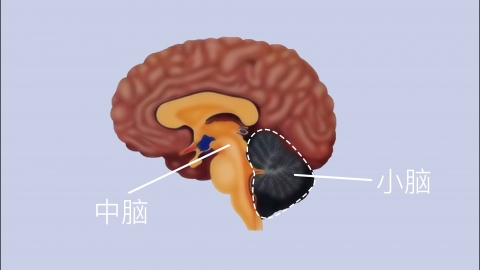
1. Aging: With advancing age, cerebellar neurons may gradually degenerate, leading to a decline in function, which may result in gait instability. Maintaining a healthy lifestyle, such as balanced nutrition and moderate exercise, may help improve cerebellar function.
2. Genetic Factors: Certain gene mutations may lead to abnormal development and function of cerebellar neurons, resulting in cerebellar nerve dysfunction and dysarthria. There is currently no effective treatment for gene mutations, but genetic testing and counseling can help prevent further transmission of the disease.
3. Viral Encephalitis: Viruses directly invading the cerebellum or its input and output pathways can damage neurons, leading to cerebellar nerve dysfunction and headache. Antiviral and anti-inflammatory medications such as Acyclovir Capsules, Ribavirin Granules, and Ibuprofen Granules should be used under a doctor's guidance.
4. Spinocerebellar Ataxia: This disease is a hereditary ataxia condition primarily caused by gene mutations. These mutations lead to abnormal function of cerebellar neurons, causing ataxia symptoms. Medications such as Baclofen Tablets, Gabapentin Capsules, and Buspirone Hydrochloride Tablets should be used under a doctor's guidance.
5. Multiple Sclerosis: Multiple sclerosis is an autoimmune disease in which the patient's immune system mistakenly attacks neural tissues such as the cerebellum, causing neuronal damage and functional impairment, leading to limb weakness. Treatment may involve medications such as Mitoxantrone Hydrochloride Injection, Teriflunomide Tablets, and Azathioprine Tablets, following medical advice.
During treatment, attention should be paid to adjusting lifestyle and dietary habits to promote recovery from the condition.





