Can antiallergic medications treat redness of the hands?
Feb 20, 2025
Source: Cainiu Health

Dr. Liu Wenmin
Introduction
Whether antiallergic drugs can treat redness of the hands depends on the underlying cause. If the redness is related to an allergic reaction, such treatment is generally effective; if the redness is unrelated to allergies, antiallergic drugs may not help. It is recommended to seek timely medical advice and undergo treatment under a physician's guidance. When using antiallergic medications to treat hand redness, it is important to follow medical instructions and avoid self-medication or altering the dosage without consultation.
Whether antiallergic drugs can treat redness of the hands depends on the underlying cause. If the redness is related to an allergic reaction, these medications are generally effective; however, if the redness is unrelated to allergies, they may not provide treatment. It is recommended to seek timely medical advice and undergo treatment under a doctor's guidance. Detailed analysis is as follows:
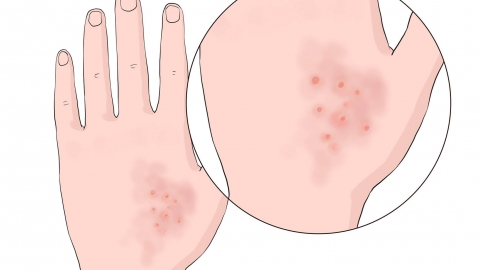
If the redness of the hands is caused by an allergic reaction, such as contact dermatitis or urticaria, antiallergic drugs are usually effective in treatment. These medications can inhibit or block the release of inflammatory mediators, thereby achieving the purpose of treating allergic reactions. In such cases, antiallergic drugs such as Loratadine tablets, Cetirizine hydrochloride oral solution, and Promethazine hydrochloride tablets may be used as directed by a physician.
If the redness is caused by non-allergic factors such as infection, circulatory problems, skin diseases, or autoimmune disorders, antiallergic drugs will not address the underlying issue and may even mask symptoms, delaying accurate diagnosis and appropriate treatment.
When using antiallergic drugs to treat hand redness, it is important to follow medical instructions and avoid self-medication or altering the prescribed dosage. Additionally, maintaining proper skin hygiene and care can aid in skin recovery.