


Does sun exposure help reduce neonatal jaundice?
Feb 20, 2025
Source: Cainiu Health

Dr. Zhou Xiaofeng
Introduction
In general, exposure to sunlight can help reduce neonatal jaundice to some extent. Neonatal jaundice is primarily caused by abnormal bilirubin metabolism. Sunlight contains light of specific wavelengths that can promote structural changes in bilirubin within the newborn's body, converting it into a water-soluble isomer, which can then be excreted through urine, thereby alleviating jaundice symptoms.
Generally speaking, exposure to sunlight can help reduce neonatal jaundice to some extent. The specific analysis is as follows:
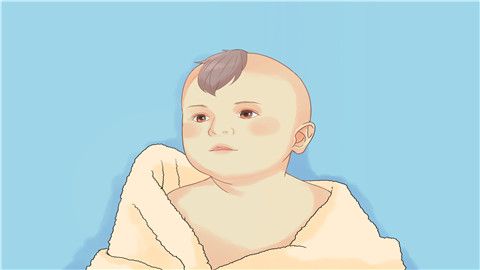
Neonatal jaundice primarily results from abnormal bilirubin metabolism. Sunlight contains light of specific wavelengths, especially blue light, which can induce structural changes in bilirubin within the infant's body, transforming it into a water-soluble isomer that can then be excreted through urine, thereby alleviating jaundice symptoms.
Although sun exposure can improve neonatal jaundice to some degree, if the infant has pathological jaundice or severe jaundice, sun exposure alone cannot achieve a therapeutic effect. In such cases, parents should promptly take the infant to the hospital for medical evaluation and follow the doctor's recommendations for treatment, such as phototherapy or medication.
When exposing an infant to sunlight, it is important to manage the timing and method appropriately. It is generally recommended to do so during the early morning or evening when sunlight is milder, avoiding strong ultraviolet radiation that could harm the infant's skin. Additionally, the infant's eyes should be protected during sun exposure, avoiding direct gaze at the sun.




