Is Bile Reflux Gastritis Related to the Function of the Spleen and Stomach?
Feb 21, 2025
Source: Cainiu Health

Dr. Shen Yonghua
Introduction
The spleen and stomach regulate the internal organs and manage digestive functions. The spleen is responsible for transformation and transportation, uplifting the clear essence, and controlling blood circulation, while the stomach is responsible for downward movement and reception, as well as the containment and ripening of food and fluids. When the functions of the spleen and stomach are normal, they ensure proper digestion, absorption of food, and the generation and circulation of qi and blood. However, when these functions become impaired, it may lead to problems such as slowed gastrointestinal motility and abnormal secretion of digestive fluids, which can further affect the normal excretion of bile.
Generally, bile reflux gastritis is closely related to the functions of the spleen and stomach. The detailed analysis is as follows:
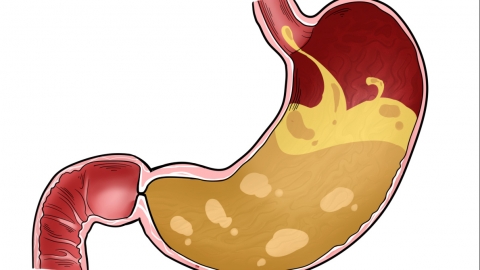
The spleen and stomach are responsible for regulating the internal organs and managing digestive functions. The spleen governs transformation and transportation, promotes the upward movement of clear substances, and controls the blood, while the stomach governs descending movements and is responsible for receiving and ripening food and fluids. When the spleen and stomach function normally, digestion and absorption of food as well as production and circulation of qi and blood can be ensured. However, when the functions of the spleen and stomach become impaired, problems such as slowed gastrointestinal motility and abnormal secretion of digestive fluids may occur, thereby affecting the normal excretion of bile.
The occurrence of bile reflux gastritis is mainly due to dysfunction of the pyloric sphincter or previous gastric or pyloric surgery, which causes duodenal contents containing bile and pancreatic juice to flow back into the stomach, resulting in inflammation, erosion, and bleeding of the gastric mucosa. This process is closely related to the transformation and transportation function of the spleen and stomach. When the spleen and stomach are weak, dysfunction of their transformation and transportation functions may lead to the reflux of digestive fluids such as bile, thus triggering bile reflux gastritis.
In treating bile reflux gastritis, in addition to addressing the underlying causes, it is also important to regulate and improve the function of the spleen and stomach to promote the patient's recovery. At the same time, patients should also pay attention to adjusting their diet and lifestyle to reduce the burden on the spleen and stomach and facilitate recovery from the condition.