


How to Lower High Blood Pressure Quickly
Feb 24, 2025
Source: Cainiu Health

Dr. Tian Hongbo
Introduction
There is no such thing as "how to lower high blood pressure the fastest." High blood pressure may be caused by emotional excitement, physical activity, improper diet, hypertension, myocardial infarction, and other factors. Improvements can be made according to the specific situation. When emotionally excited, the body releases large amounts of stress hormones, such as adrenaline and cortisol, which can cause increased heart rate and blood vessel constriction, leading to elevated blood pressure.
There is no such thing as "how to lower high blood pressure the fastest." High blood pressure may be caused by emotional excitement, physical activity, improper diet, hypertension, myocardial infarction, and other factors. It can be improved through appropriate relaxation, warm-up exercises, dietary adjustments, and medication. It is recommended to seek timely medical consultation and receive treatment under the guidance of a physician.
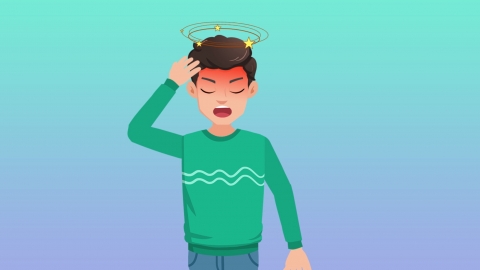
1. Emotional Excitement: When emotionally excited, the body releases large amounts of stress hormones, such as adrenaline and cortisol, which can cause increased heart rate and blood vessel constriction, thereby raising blood pressure. Deep breathing exercises, meditation, and relaxation techniques can help alleviate emotional excitement and lower blood pressure.
2. Physical Activity: Intense exercise or physical labor increases the heart's blood-pumping volume, causing a corresponding rise in blood pressure, which is a normal physiological response. Performing appropriate warm-up exercises before exercise and stretching afterward can help ensure a smooth transition and reduce blood pressure fluctuations.
3. Improper Diet: Long-term high-salt diets increase sodium ions in the body, leading to water and sodium retention, increased blood volume, and consequently elevated blood pressure. It is recommended to adjust the diet, maintain a light diet, and consume vegetables, fruits, and other healthy foods to help improve the condition.
4. Hypertension: Hypertension may be related to multiple factors such as heredity, lifestyle, and endocrine function. In a hypertensive state, the blood vessel walls are subjected to long-term high pressure, leading to vascular hardening and narrowing, which further exacerbates elevated blood pressure. Long-term hypertension may be accompanied by symptoms such as headache, dizziness, and blurred vision. It is recommended to follow a physician's instructions to take medications such as nifedipine tablets, amlodipine tablets, hydrochlorothiazide tablets, and others to improve the condition.
5. Myocardial Infarction: This condition may be associated with environmental and genetic factors. The heart's blood-pumping function weakens, and to maintain adequate blood supply, blood pressure rises. Additionally, heart damage may activate the neuroendocrine system, further increasing blood pressure, potentially accompanied by symptoms such as chest pain, palpitations, and shortness of breath. Patients may follow medical advice to use medications such as dicoumarol tablets, metoprolol tartrate tablets, ramipril tablets, and others to alleviate discomfort.
During treatment, patients with hypertension should regularly monitor their blood pressure to understand their individual condition. If symptoms of uncontrolled blood pressure occur, timely medical consultation and adjustment of the treatment plan are recommended. At the same time, maintaining good living habits and a positive mindset also have a positive effect on lowering blood pressure.








