


What to do about insufficient cerebral blood supply
Feb 24, 2025
Source: Cainiu Health

Dr. Tian Hongbo
Introduction
Cerebral hypoperfusion may be caused by aging, postural changes, anemia, cervical spondylosis, heart failure, and other factors. It can typically be treated through lifestyle modifications, medication, physical therapy, or surgical intervention. As individuals age, blood vessels gradually degenerate, losing elasticity, which may result in insufficient blood supply to the brain.
Insufficient cerebral blood supply may be caused by aging, postural changes, anemia, cervical spondylosis, heart failure, and other factors. It can generally be treated through general therapy, medication, and other approaches. The specific treatment plan should be determined according to the underlying cause. If abnormalities occur, timely medical consultation is recommended. Detailed analysis is as follows:
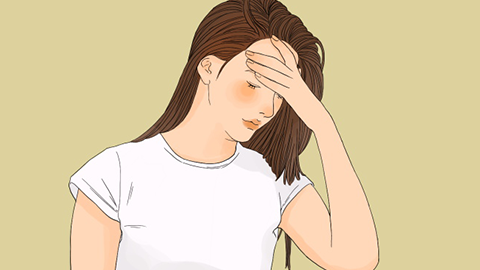
1. Aging: With advancing age, blood vessels gradually age and lose elasticity, which may lead to insufficient cerebral blood supply. It is recommended to maintain a healthy lifestyle, including balanced nutrition, moderate exercise, smoking cessation, and alcohol moderation, to delay vascular aging.
2. Postural changes: Maintaining the same posture for prolonged periods or sudden postural changes, such as rapidly standing up from a squatting position, may cause temporary drops in blood pressure, thus affecting cerebral blood supply. Avoid maintaining the same posture for long periods, and change positions slowly to allow sufficient time for the body to adapt.
3. Anemia: Reduced quantity or quality of red blood cells leads to anemia, resulting in decreased oxygen-carrying capacity of blood and impaired oxygen and blood supply to the brain. Symptoms may include pallor, fatigue, dizziness, and more. It is recommended to follow medical advice regarding medications such as ferrous sulfate tablets, aminocaproic acid tablets, ferrous gluconate capsules, and others for treatment.
4. Cervical spondylosis: Long-term neck flexion or heavy strain on the neck may lead to cervical spondylosis, causing structural changes in the cervical vertebrae that may compress the vertebral artery, resulting in insufficient cerebral blood supply, accompanied by symptoms such as neck pain, stiffness, and upper limb numbness. Treatment methods include physical therapies such as traction and massage, as well as surgical interventions aimed at relieving vertebral artery compression and restoring cerebral blood flow.
5. Heart failure: With advancing age, the risk of heart failure increases. Patients experience reduced cardiac pumping function, failing to meet the blood supply demands of various body parts, including the brain. Symptoms may include dyspnea, fatigue, edema, and others. Patients may follow medical advice to take medications such as nifedipine sustained-release tablets, benazepril tablets, metoprolol sustained-release tablets, and others to alleviate symptoms.
It is recommended to maintain good living habits and a healthy, scientifically balanced diet in daily life, actively improving physical condition in order to enhance treatment effectiveness when managing diseases.




