


Which acupuncture points are used for insufficient blood supply to the brain?
Dec 10, 2025
Source: Cainiu Health

Dr. Sun Lianqing
Introduction
Under normal circumstances, acupuncture for insufficient cerebral blood supply can target specific acupoints such as Baihui (GV20), Fengchi (GB20), Taiyang (EX-HN5), Zusanli (ST36), and Taichong (LR3), depending on the underlying cause. Moreover, acupuncture treatment should be performed by a qualified physician who selects appropriate acupoints based on individual diagnosis; self-treatment is not recommended. In daily life, it is important to maintain proper sitting posture, avoid prolonged periods of head-down positions, perform moderate neck exercises, and maintain regular作息 (daily routines) to support stable cerebral blood flow.
Generally, acupuncture for insufficient cerebral blood supply can be performed based on the specific underlying causes by selecting acupoints such as Baihui (GV20), Fengchi (GB20), Taiyang, Zusanli (ST36), and Taichong (LR3). Detailed explanations are as follows:
1. Baihui (GV20)
Located at the intersection of the midline of the top of the head and the line connecting the tips of both ears, the Baihui point is a key acupoint for regulating cerebral qi and blood flow. It is suitable for symptoms caused by insufficient cerebral blood supply, such as dizziness, headache, and mental fatigue. Acupuncture at this point helps unblock meridians in the head, promotes the upward flow of qi and blood to nourish brain tissue, improves cerebral oxygenation, and relieves head discomfort.
2. Fengchi (GB20)
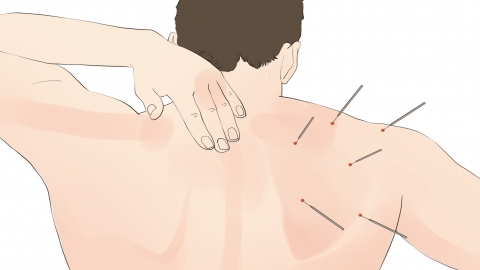
Situated beneath the occipital bone at the posterior neck, in the depression between the upper ends of the sternocleidomastoid and trapezius muscles, the Fengchi point lies close to major blood vessels supplying the brain. When insufficient cerebral blood supply is related to blockage of neck meridians or compression of the vertebral artery, acupuncture at this point can relax neck muscles, relieve vascular compression, unblock meridians, improve cerebral perfusion, and alleviate accompanying symptoms such as vertigo and neck stiffness.
3. Taiyang
Located approximately one finger-width posterior to the midpoint between the lateral end of the eyebrow and the outer canthus, the Taiyang point is an important health-care acupoint on the head. It is effective for conditions such as migraines and blurred vision caused by poor cerebral circulation. Stimulating this point clears heat, dispels wind, activates blood flow, and unblocks meridians, thereby promoting local blood circulation in the head, supporting improved cerebral blood supply, and relieving sensations of head fullness or pain.
4. Zusanli (ST36)
Found on the anterior-lateral aspect of the lower leg, three cun below the犊nu (ST35), one finger-width lateral to the tibial crest, Zusanli is a core point for regulating spleen and stomach functions and replenishing qi and blood. According to Traditional Chinese Medicine (TCM), "qi and blood originate from proper digestion." Insufficient cerebral blood supply is often associated with deficiency of qi and blood. Acupuncture at this point enhances gastrointestinal function and promotes the production of qi and blood, thus improving cerebral circulation through enhanced systemic nourishment—especially beneficial for individuals with weak constitutions.
5. Taichong (LR3)
Located in the depression anterior to the junction of the first and second metatarsal bones on the dorsum of the foot, Taichong is a key point for soothing liver qi and regulating its flow. When insufficient cerebral blood supply results from liver qi stagnation and impaired circulation of qi and blood, acupuncture at this point helps relieve liver constraint, activate blood circulation, and improve overall systemic circulation, thereby indirectly alleviating symptoms such as dizziness and irritability caused by inadequate brain perfusion.
In addition, acupuncture treatment must be administered by qualified practitioners who select acupoints according to individual etiology and TCM pattern differentiation; self-treatment is not recommended. In daily life, it's important to maintain proper sitting posture, avoid prolonged head-down positions, perform regular neck exercises, and follow a consistent sleep schedule to support stable cerebral blood supply.


