


Can encephalitis-induced inability to recognize people be cured?
Feb 26, 2025
Source: Cainiu Health

Dr. Lv Zhiqin
Introduction
In general, whether a person can recover from the inability to recognize others caused by encephalitis depends on the specific circumstances. If the loss of recognition is due to temporary cerebral edema and mental abnormalities in the early stages of encephalitis, recovery may be possible. However, if the cerebral cortex is severely damaged, recovery may be difficult. It is recommended to visit a hospital to determine the exact cause and follow the doctor's instructions for treatment.
Generally, whether a person affected by encephalitis can recover the ability to recognize people depends on the specific circumstances. If the inability to recognize people is caused by transient cerebral edema and mental abnormalities during the early stage of encephalitis, recovery is possible. However, if there is severe damage to the cerebral cortex, recovery may be difficult. It is recommended to visit a hospital to determine the exact cause and follow medical advice for treatment. The analysis is as follows:
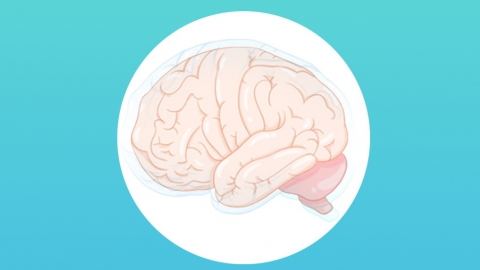
Most cases of encephalitis are caused by infections with herpes simplex virus or bacteria. During the early stage of encephalitis, inflammatory exudation and brain tissue swelling may lead to transient cerebral edema and mental abnormalities. Some patients may experience symptoms such as delirium and the inability to recognize people. However, these symptoms are generally temporary, and the functions of the cerebral cortex and brainstem are usually not severely impaired. As the virus stops replicating and macrophages in the body eliminate the pathogen, cerebral edema and mental symptoms can gradually subside.
If the medial temporal lobe and hippocampus are severely damaged by encephalitis, secondary dementia may develop, leading some patients to lose the ability to recognize people. This indicates severe damage to the cerebral cortex, where neuronal damage is typically irreversible. Patients in this category generally have a poor prognosis following treatment, and most will experience long-term complications.
During the recovery phase, patients should undergo systematic rehabilitation training under a doctor's guidance to promote the restoration of brain function.








