Can Pulsatilla (Baitouweng) treat encephalitis?
Mar 22, 2025
Source: Cainiu Health

Dr. Zhang Xiuhong
Introduction
Encephalitis is a serious infectious disease of the central nervous system, requiring specific treatment targeting the causative pathogen, as well as management of complications and reduction of neurological damage. Pulsatilla chinensis has not been proven to have a direct therapeutic effect on encephalitis. Pulsatilla chinensis is primarily used for clearing heat and detoxifying, cooling blood to stop dysentery, and for its antibacterial and anti-inflammatory effects.
Clematis is generally not used to treat encephalitis. If abnormalities occur, timely medical consultation is recommended. Detailed analysis is as follows:
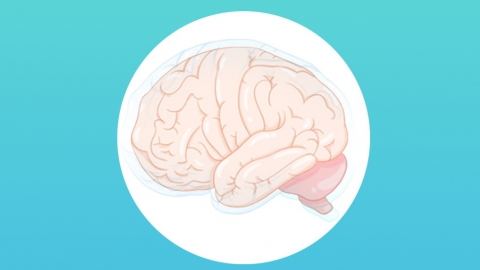
Encephalitis is a severe infectious disease of the central nervous system, which requires specific treatment targeting the pathogen, along with measures to control complications and reduce neurological damage. Clematis has not been proven to have a direct therapeutic effect on encephalitis.
Clematis is primarily used for clearing heat, detoxifying, cooling the blood, stopping dysentery, and reducing bacterial inflammation. These effects are relatively effective in treating conditions caused by heat toxicity, such as bacterial dysentery and enteritis. However, the pathogens causing encephalitis are complex and often involve the central nervous system, which does not entirely align with the therapeutic scope of clematis.
Patients with encephalitis should seek timely medical care and receive diagnosis and treatment from professional physicians. Especially when symptoms such as high fever with convulsions, impaired consciousness, or cerebral edema occur, priority should be given to Western medical interventions such as corticosteroids and dehydration therapy to reduce intracranial pressure.
[References]
[1] Chen Jing, Tian Yanghua. Research progress on immunotherapy for autoimmune encephalitis[J]. Journal of Chongqing Medical University, 2025, 50(02): 158-164.
[2] Yang Dan, Si Fuchun. Pharmacological effects, clinical applications, and quality marker prediction analysis of the classic Clematis-containing formula: A review of recent advances[J/OL]. Liaoning Journal of Traditional Chinese Medicine University, 1-9 [2025-03-22].