


How long after the expiration date is milk no longer safe to drink?
Mar 03, 2025
Source: Cainiu Health

Dr. Shen Yonghua
Introduction
After milk expires, its nutritional components change and its nutritional value decreases. Over time, large amounts of bacteria and microorganisms gradually develop in the milk. The metabolic products of these microorganisms can cause the milk to spoil, leading to unpleasant odors, discoloration, and other phenomena. Consuming expired milk may result in digestive discomfort, acute gastroenteritis, food poisoning, and other health issues.
Under normal circumstances, milk should not be consumed once it has passed its expiration date. A detailed explanation is as follows:
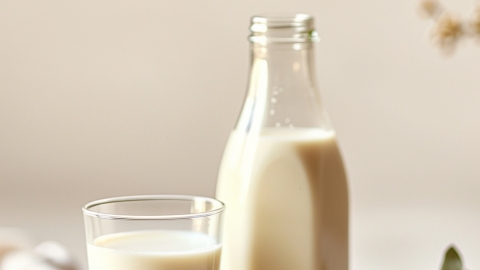
After expiration, the nutritional components in milk change and its nutritional value decreases. Over time, large amounts of bacteria and microorganisms may gradually develop in the milk. The metabolic byproducts of these microorganisms can cause spoilage, resulting in unpleasant odors, discoloration, and other signs of deterioration.
Consuming expired milk may lead to digestive discomfort, acute gastroenteritis, or food poisoning. Symptoms may include abdominal pain, diarrhea, nausea, vomiting, acid reflux, and, in severe cases, even shock. Although expired milk is unsuitable for drinking, it still has alternative uses. When diluted, expired milk can be used to water plants and provide nutrients to them.
When purchasing milk, carefully check the production date and expiration information on the packaging. Also, observe the milk's condition: expired milk may turn yellowish, brownish-black, or even coagulate into a tofu-like texture; its taste will also change significantly. If the milk has passed its expiration date or shows signs of spoilage, it should be discarded immediately and replaced with a suitable alternative.







